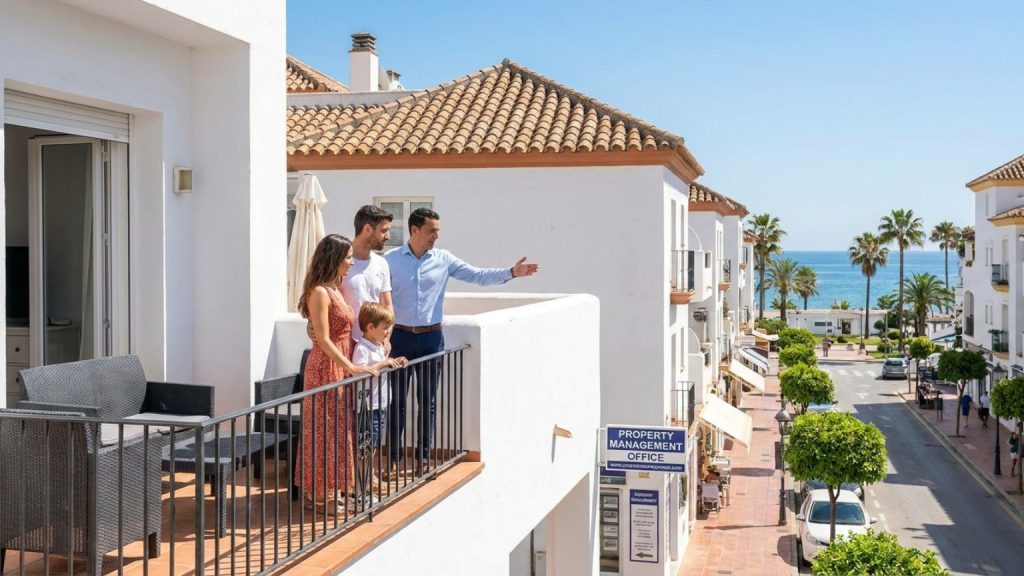
Finding a rental property in a new area can be challenging. You might wonder about the local market, the types of homes available, and the steps involved. We understand these concerns and aim to clarify the process for you.
1. Qué es el alquiler de propiedades?
Property rental involves an agreement where one party, the tenant, pays another party, the landlord, for the right to use a property. This arrangement allows people to live in a home without owning it home without owning.
In Estepona, renting provides flexibility for those seeking a temporary residence or a holiday stay. For example, a new family moving to Estepona for work often chooses to rent an apartment while they settle into the area.
- Lease Agreement: This is a binding legal contract between the tenant and the landlord. It clearly outlines the rental period, monthly payment terms, and the responsibilities of both parties throughout the tenancy.
- Tenant and Landlord: The tenant is the individual or family who occupies the property and pays rent for its use. The landlord owns the property and grants permission for its occupation in exchange for these regular payments.
- Rental Deposit: Tenants typically pay a security deposit at the beginning of the rental period. This money secures the property and covers any potential damages or unpaid rent at the end of the tenancy.
- Rental Term: Rentals in Estepona can be short-term, ideal for tourists enjoying a few weeks’ holiday. They can also be long-term, typically lasting for one year or more, which suits permanent residents.
- Property Types: Estepona offers many property types, from modern apartments in the town center to spacious villas with sea views. This variety allows you to find a home that fits your lifestyle and budget.
Understanding these basic elements helps simplify the rental process. It ensures a clear and fair agreement for everyone involved.
2. Por qué es importante la comprensión del mercado de alquiler?
Understanding the rental market in Estepona is crucial for anyone looking to rent a property. This knowledge helps you make smart decisions and avoid common problems. It also allows you to find a property that fits your needs and budget. Without this insight, you might miss good opportunities or face unexpected challenges.
- Pricing Trends: Knowing the current pricing trends helps you avoid paying too much for a property. For example, rental prices for apartments near the beach in Estepona often increase during the summer months.
- Property Availability: Understanding when properties are most available can improve your search. You might find more long-term rental options become available as the peak tourist season ends in late summer.
- Local Regulations: Familiarity with Estepona’s specific rental laws protects your rights as a tenant. This includes rules about contract length, deposit limits, and notice periods for ending a lease.
- Demand and Supply: These factors greatly influence what properties are available and at what price. High demand for luxury villas in areas like El Paraíso can mean fewer options and higher costs.
- Hidden Costs: Being aware of potential extra fees prevents financial surprises. For instance, some Estepona rentals may include community fees or require separate utility setup costs.
A clear understanding of the Estepona rental market empowers you to navigate the process effectively. It helps ensure a smooth and successful rental experience.
3. Cómo es la identificación de la propiedad ideal para alquiler?
Identifying the right rental property in Estepona requires clear planning. You should first consider your personal needs and lifestyle preferences. This approach helps you narrow down the many available options. Having a precise idea of what you want makes the search process much more efficient.
- Define your budget: It is important to know your maximum monthly spending limit. This includes not only the rent but also potential utility costs and community fees. Your budget directly influences the types of properties you can explore.
- Consider location preferences: Think about the specific area in Estepona where you wish to live. Do you prefer being near the beach, in the town center, or in a quieter residential zone? For example, a family with children might prioritize an area close to good schools and parks.
- Choose the property type: Decide between an apartment, a townhouse, or a detached villa. Also, determine the number of bedrooms and bathrooms you need. This choice depends on your household size and desired living space.
- List essential amenities: Make a list of features that are important for your comfort and convenience. This could include a swimming pool, private parking, or whether the property comes furnished. Do not forget to consider if you need a pet-friendly home.
- Determine the rental term: Decide if you need a long-term or short-term rental agreement. Long-term contracts often have different conditions and pricing structures. This decision impacts the stability and flexibility of your stay.
By carefully considering these factors, you can effectively focus your property search. This preparation helps you find a rental that truly suits your needs and enhances your life in Estepona.
4. Cuáles son los pasos para asegurar un alquiler?
Securing a rental property in Estepona involves a clear, structured process. This journey requires careful attention to detail from the initial search to the final contract signing. Understanding each step helps ensure a smooth and successful experience for you.
- Property Search: Finding a suitable home in Estepona begins with a focused search. You can look at online portals or work with local real estate agents who understand the market.
- Viewings and Selection: After identifying potential properties, you will arrange viewings. During these visits, inspect the property’s condition and ask questions about utilities or community rules.
- Offer and Negotiation: Once you find a property you like, you will make a formal offer to the landlord. This offer includes your proposed rental price and any specific terms, which may sometimes lead to negotiation.
- Required Documentation: Landlords in Estepona will ask for specific documents to verify your identity and financial stability. For example, you might need to provide a copy of your passport, a work contract as proof of income, or recent bank statements.
- Contract Signing and Deposit: The final step involves reviewing and signing the rental contract. At this point, you will also pay the security deposit and the first month’s rent.
Following these steps carefully helps you navigate the rental market in Estepona with confidence. This systematic approach allows you to secure a home that meets your needs effectively.