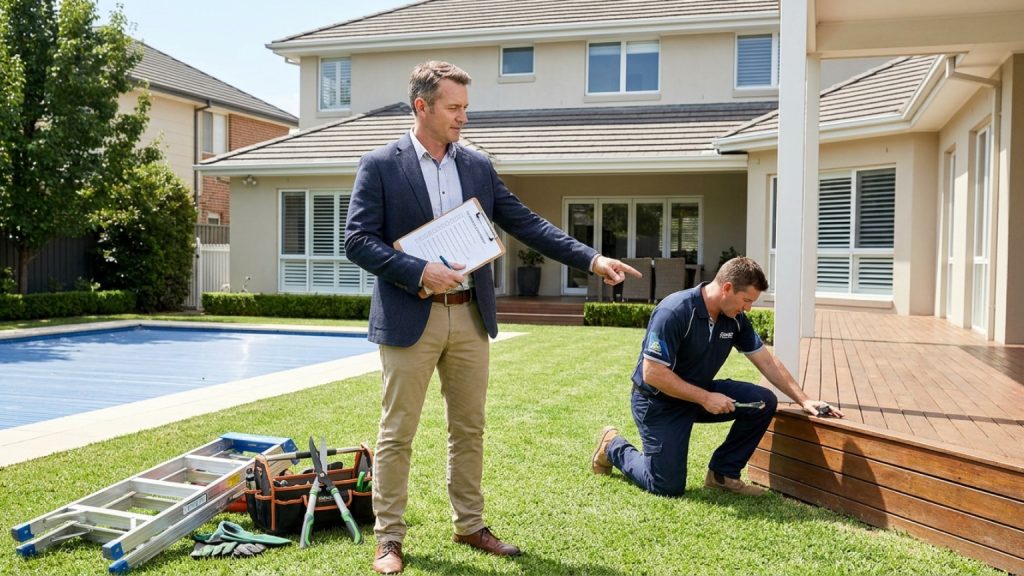
Managing a property can be a significant concern, particularly when you are not always present. Many owners struggle with the time and effort required to keep their investment in top condition. Neglecting essential maintenance can lead to unexpected problems and reduce your property’s value over time.
1. What does comprehensive property care mean for a property?
Comprehensive property care involves a full approach to managing and maintaining a property. It goes beyond simple repairs when something breaks. This care ensures the property stays in excellent condition, protects its value, and operates smoothly over time.
- Regular Maintenance: This includes routine checks and fixing small issues promptly. For example, regularly inspecting plumbing or electrical systems prevents larger, costlier repairs later.
- Preventative Care: This means taking steps to avoid problems before they start. Cleaning gutters each autumn, for instance, stops water damage to the roof and walls.
- Administrative Management: This covers handling all necessary paperwork and legal requirements. For a rental property, this ensures all licenses and permits are current and utility bills are paid on time.
- Financial Oversight: This involves careful budgeting for upkeep and tracking all related expenses. Planning for periodic painting or appliance upgrades helps manage costs effectively.
- Emergency Response: Having a quick and effective plan for unexpected issues is crucial. If a pipe bursts late at night, a reliable contact person can address the problem immediately.
Ultimately, comprehensive property care safeguards your investment. It also ensures the property remains a comfortable and functional space for its occupants.
2. Why is property care crucial for protecting your investment?
Property care is much more than simply keeping a place tidy. It is a fundamental strategy for safeguarding the value of your real estate investment. Regular and preventative attention prevents small issues from growing into costly repairs. This approach helps maintain the property’s appeal and ensures its long-term financial health.
- Preserving Property Value: Consistent care stops the natural wear and tear that can reduce a property’s market value. For example, quickly repairing a broken roof tile prevents major water damage inside your home.
- Maximizing Rental Returns: Well-maintained properties attract high-quality tenants and allow for better rental prices. A fresh coat of paint and working appliances make a property more desirable, leading to higher occupancy and income.
- Preventing Costly Repairs: Small problems can become very expensive if ignored for too long. For instance, fixing a dripping faucet now prevents potential mold growth and structural damage later on.
- Ensuring Tenant Satisfaction: A property in good condition creates a positive experience for renters. Happy tenants are more likely to renew their leases, which reduces vacancy periods and marketing costs.
- Meeting Legal Standards: Regular checks ensure the property meets all local health and safety regulations. This prevents potential fines or legal issues, such as ensuring fire alarms are always functional.
Good property care is an essential part of responsible ownership. It not only secures your investment but also provides significant peace of mind.
3. How to identify the property care needs of your property?
Identifying the specific care needs of your property is the first step towards effective management. We help you understand that this process involves a careful assessment of its current condition, age, and how you use it how you use.
For instance, a holiday rental property experiences different wear and tear compared to a home used only a few weeks a year. Understanding these factors allows us to tailor the best care plan for you.
- Regular Inspections: We recommend routine checks to identify small issues before they become major problems. For example, checking for dampness or cracks in walls after heavy rain can prevent costly repairs.
- Property Usage Patterns: The way you use your property directly influences its needs. A frequently rented holiday home requires more frequent cleaning and minor repairs than a property used only by the owner a few times a year.
- Local Climate Considerations: Tenerife’s climate, with strong sun and sea air, affects materials differently. We often see paint fading or metal corrosion, which needs specific protective treatments.
- Age of Systems and Appliances: Older plumbing, electrical systems, or appliances may need more attention or replacement. Understanding their age helps us anticipate potential breakdowns and schedule preventative work.
- Feedback from Guests or Tenants: If your property is rented, guest comments provide valuable insights into its condition. They might report a leaky faucet or a broken air conditioner, which we can then address promptly.
By carefully identifying these various aspects, you gain a clear picture of your property’s care requirements. This detailed understanding allows us to create a precise and efficient maintenance schedule, ensuring your property remains in excellent condition.
4. What steps to take for effective property care?
Effective property care protects your investment and ensures it remains ready for use or rental. It involves a series of planned actions that maintain your home’s condition and value over time. We help you implement these essential steps to keep your property well-managed, giving you peace of mind.
- Regular Inspections: Regular property inspections help catch small issues before they become big problems. For example, checking the roof for loose tiles after strong winds can prevent water damage inside your home.
- Planned Maintenance: Creating a maintenance schedule keeps all systems running smoothly and prevents unexpected breakdowns. This includes routine checks for plumbing, electrical systems, and regular servicing of air conditioning units.
- Emergency Preparedness: Having a clear plan for emergencies protects your property from unforeseen events and allows for quick action. Knowing who to contact immediately for urgent repairs, such as a burst pipe or a power outage, is very important.
- Financial Oversight: Keeping clear records of all expenses and income is vital for understanding your property’s performance. This helps you track costs, manage budgets, and ensure all financial obligations are met.
- Security Measures: Implementing good security measures protects your property from theft and damage, especially when it is vacant. Installing reliable locks, an alarm system, or even smart home monitoring can provide extra safety.
Following these steps provides critical peace of mind and keeps your property in excellent condition. We ensure your home is consistently cared for, regardless of your location.