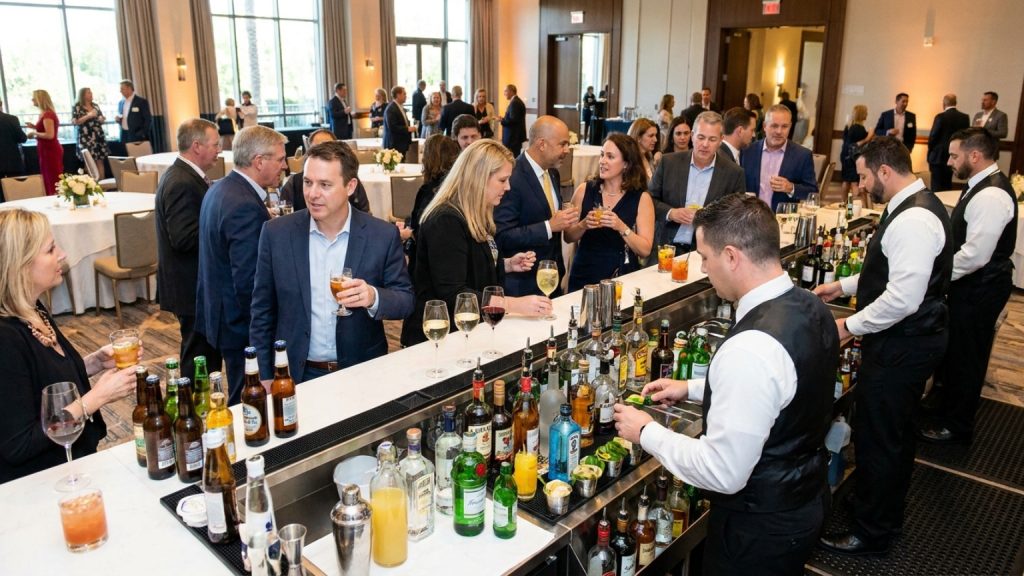
Organizing an event often brings the challenge of managing drinks. Guests expect a smooth experience, but understanding all the options can be difficult. This can lead to confusion about budgeting and service types. How can you ensure everyone enjoys themselves without overspending?
1. What defines an open bar for events?
- Pre-paid Service: The event host covers the cost of all drinks. This payment can be a fixed rate per person or a total sum for a set period.
- Unlimited Consumption: Guests can enjoy an unlimited number of drinks during the open bar period. They do not need to pay for each order they make.
- Drink Selection: The host chooses the types of beverages offered. This might include beer, wine, spirits, and non-alcoholic options.
- Defined Timeframe: An open bar operates for a specific duration of the event. For example, it might run for three hours during a wedding reception.
- Guest Convenience: This service provides great convenience for attendees. Guests can relax and enjoy the event without worrying about drink costs.
2. Why the choice of an open bar for events matters?
The choice of an open bar significantly affects any event. It shapes the guest experience and overall atmosphere. This decision is crucial for hosts because it directly impacts how attendees perceive the event.
- Guest satisfaction: An open bar makes guests feel valued and cared for. They can enjoy drinks freely without concerns about cost, which leads to a more relaxed and enjoyable time.
- Enhanced atmosphere: This service promotes socializing and keeps the event lively. Guests can easily get drinks and return to conversations, maintaining a smooth flow throughout the gathering.
- Predictable budgeting: For the host, an open bar offers clear financial control. Event organizers can set a fixed budget for drinks, avoiding unexpected expenses during the event itself.
- Perception of generosity: Providing an open bar reflects positively on the host’s hospitality. It shows a commitment to guest comfort and a desire for everyone to have a good time.
- Simplified service: An open bar speeds up the drink service process. Bartenders do not need to handle individual payments, allowing them to serve guests more quickly and efficiently.
Choosing an open bar is more than just offering drinks. It is a strategic decision that creates a memorable and positive experience for all guests.
3. How to approach the planning of an open bar for events?
- Set a clear budget: Decide on the total amount you can spend on drinks, staff, and supplies. This budget will guide all other decisions, from the type of alcohol to the number of bartenders needed.
- Estimate guest count and preferences: Know how many people will attend and what kinds of drinks they usually prefer. For example, a wedding with many older guests might need more wine, while a casual party could focus on beer and simple cocktails.
- Select drinks thoughtfully: Choose a variety of drinks that appeal to your guests within your budget. Offer options like beer, wine, and a few basic spirits with mixers.
- Plan for staffing and equipment: Determine how many bartenders are necessary to serve guests efficiently. Also, list all needed equipment, such as glasses, ice, shakers, and garnishes.
- Define the service duration: Decide how long the open bar will operate during the event. This impacts the quantity of drinks and the number of staff required.
4. What steps to take when selecting an open bar for events?
Selecting an open bar for an event requires careful thought. This choice greatly impacts your guests’ experience and overall event atmosphere. A well-chosen bar ensures everyone enjoys themselves responsibly. Proper planning helps avoid unexpected issues later on.
- Define your budget: Start by setting a clear budget for the bar service. This decision influences the types of drinks and the quality of spirits offered, such as choosing between beer and wine or a full cocktail menu.
- Understand guest preferences: Consider what your guests typically enjoy drinking. Offering popular choices ensures more people find something they like.
- Choose the right service level: Determine the level of service and drink quality you need. This includes deciding on standard, premium, or top-shelf options, and how many bartenders are required.
- Review the contract carefully: Always read the open bar contract in detail before signing. Look for inclusions, exclusions, hidden fees, and cancellation policies to avoid surprises.
- Consider event duration and location: The length of your event and its venue affect the bar setup. Longer events need more stock, and the location might require specific alcohol permits.
Taking these steps helps ensure your open bar perfectly matches your event’s needs. A well-planned bar service greatly contributes to guest satisfaction and a memorable experience.