Do you feel overwhelmed by the idea of learning a new language? Many people want to speak Spanish but struggle to find the right starting point. We understand this challenge and want to help you navigate the options. This article will guide you through the world of spanish lessons.
1. What are spanish lessons: understanding the learning process?
Spanish lessons help you learn how to understand, speak, read, and write in Spanish. This process involves building new language skills step by step. You begin with basic concepts and then move to more complex communication. It is a journey of discovery that opens new cultural doors for you.
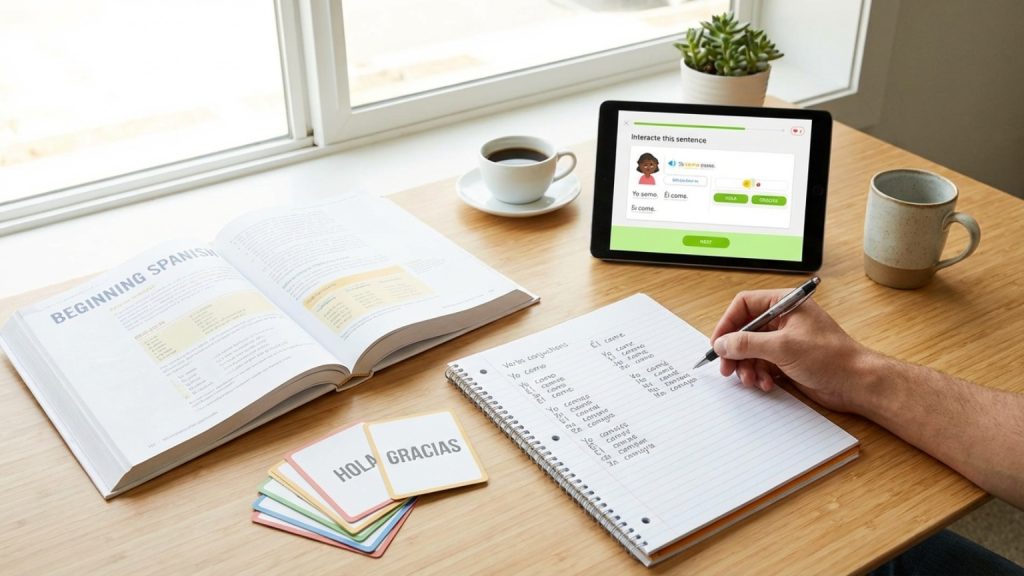
- Grammar Foundations: Spanish lessons introduce you to grammar rules, such as verb conjugations and sentence structure. For example, you learn how to say «I eat» (yo como) differently from «he eats» (él come) in Spanish.
- Vocabulary Building: You will learn many new words and phrases in each lesson. This helps you express yourself and understand others more clearly.
- Pronunciation Practice: Lessons focus on making Spanish sounds correctly, which is often different from English sounds. Practicing sounds like the rolled «rr» helps you speak more clearly and naturally.
- Listening Comprehension: You will listen to native speakers to improve your understanding of spoken Spanish. This helps you follow conversations and absorb the natural rhythm of the language.
- Cultural Context: Understanding Spanish culture is a key part of learning the language. You might learn about festivals like La Tomatina or typical Spanish greetings and customs.
By focusing on these core areas, you will gradually build confidence and fluency. Each lesson brings you closer to your goal of speaking Spanish well.
2. Why are spanish lessons beneficial for your personal growth?
Spanish lessons offer many benefits for your personal growth. They help you develop new skills and broaden your understanding of the world. Learning a new language is a journey that goes beyond just words and grammar, shaping you in unexpected ways you unexpected ways.
- Cognitive Boost: Learning Spanish actively challenges your brain. It improves your memory, problem-solving skills, and ability to focus.
- Cultural Empathy: You gain a deeper understanding of Spanish-speaking cultures. For example, you might enjoy a classic Spanish film or song and truly grasp its message, connecting you to new traditions.
- Enhanced Confidence: Successfully communicating in Spanish builds your self-assurance. You learn to overcome the fear of making mistakes and feel more capable in new situations.
- Travel Enrichment: Your travel experiences become much richer when you speak Spanish. Imagine visiting Spain and ordering your meal confidently, or asking for directions without needing a translation app, making your trips more meaningful.
- New Perspectives: Spanish lessons expose you to different ways of thinking and seeing the world. This broadens your worldview and helps you approach challenges from various angles.
These benefits show how learning Spanish can truly change your personal life. It is an investment in yourself that pays off in many areas.
3. How to choose the right spanish lessons for your goals?
Starting your Spanish learning journey requires careful thought about your objectives. Choosing the right lessons depends entirely on what you want to achieve with the language. Understanding your personal goals will guide you to the most effective and enjoyable learning path.
- Define your objective: Consider why you want to learn Spanish. For example, if you plan a trip to Spain, focus on conversational skills and practical phrases for travel situations.
- Evaluate your learning style: Think about how you learn best. Some people thrive in a dynamic group class, while others need personalized attention from a private tutor.
- Assess teacher qualifications: Look for instructors who are native speakers and have experience teaching Spanish. They can offer better pronunciation guidance and valuable cultural insights.
- Review the course structure: Check if the lessons offer a clear progression from your current level to your desired fluency. A well-organized curriculum helps you track your progress and stay motivated.
- Consider your budget and schedule: Online lessons offer flexibility, but you still need to commit time and resources. Find options that fit your financial plan and daily routine without causing stress.
Making these considerations will help you find lessons that truly match your needs. A thoughtful choice ensures a more effective and enjoyable learning experience for you.
4. What steps can you take to begin your spanish lessons?
Starting your Spanish lessons is an exciting journey that begins with a few clear actions. Taking these initial steps can help you build a strong foundation for learning. By setting yourself up correctly, you can make your progress smoother and more effective.
- Set Clear Goals: Think about why you want to learn Spanish in the first place. Knowing if you want to travel, speak with family, or use it for work helps you stay motivated and focused.
- Choose a Learning Method: Consider what works best for you, such as online classes, language apps, or self-study. Live online classes, for example, offer direct interaction with a teacher, which can speed up your progress.
- Find a Good Teacher: Look for experienced teachers who are native speakers. A structured program with a clear curriculum guides you through each level, helping you learn consistently.
- Practice Consistently: Learning a new language needs regular effort to see results. Try to spend at least 15 minutes every day reviewing new words or speaking simple phrases.
Following these steps makes your Spanish learning journey much smoother. You will feel more prepared and ready to progress quickly.