Many people struggle to achieve their fitness goals alone. You might feel overwhelmed by conflicting advice or lack motivation to start. We understand these challenges. This article explains how a personal trainer can provide clarity and direction for your journey.
1. What is the difference between an online personal trainer and a traditional gym trainer?
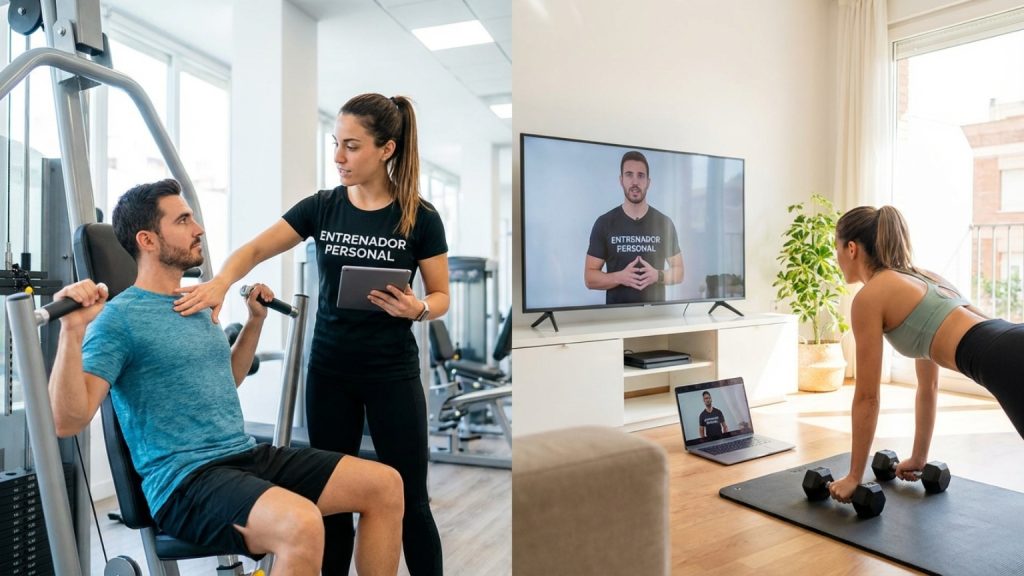
An online personal trainer and a traditional gym trainer both help you achieve fitness goals. However, their methods of guidance and interaction differ significantly. A traditional trainer works with you face-to-face in a gym setting. An online trainer provides support and programs remotely, often through digital platforms.
- Location and Access: A traditional gym trainer requires you to be physically present at a specific gym. An online trainer allows you to work out from your home, a park, or any location with internet access.
- Scheduling Flexibility: Gym sessions often need fixed appointments based on the trainer’s and gym’s availability. Online training typically offers more flexibility, letting you complete workouts on your own schedule.
- Cost Structure: Traditional gym trainers may have higher hourly rates because of facility costs. Online personal training can sometimes be more budget-friendly, as it reduces overhead expenses.
- Supervision and Feedback: A gym trainer offers immediate, real-time correction of your form and technique. An online trainer provides feedback through video analysis, messaging, and scheduled calls.
- Program Delivery: Traditional trainers often demonstrate exercises in person. Online trainers deliver workout plans, nutrition guidance, and progress tracking through apps or online portals.
Choosing between these trainers depends on your personal preferences and lifestyle needs. Both options offer expert guidance to help you reach your fitness objectives effectively.
2. Why is the guidance of a personal trainer important for your progress?
Your fitness journey can feel overwhelming without clear direction. A personal trainer provides expert guidance, making your progress both safer and more effective. They help you navigate challenges and build a strong foundation for your health.
- Personalized Fitness Plan: A personal trainer creates a workout plan specifically for your body and goals. This ensures every exercise suits your needs and helps you avoid injury, like modifying squats if you have knee issues.
- Correct Form and Technique: Doing exercises incorrectly can lead to injuries and limit results. Your trainer teaches you the proper way to move, ensuring safety and maximizing the benefit of each exercise.
- Motivation and Accountability: Staying motivated can be hard, especially on your own. A trainer provides encouragement and holds you accountable, helping you stick to your routine even when you feel like quitting.
- Goal Setting and Adjustment: Setting realistic fitness goals is key to long-term success. Your trainer helps define clear goals and then adjusts your personalized fitness plan as you get stronger.
- Efficiency and Time Saving: Without proper guidance, you might spend time on ineffective exercises. A trainer helps you make the most of your workout time, guiding you to the most effective movements for your goals.
The expert guidance of a personal trainer significantly improves your fitness journey. They help you achieve your health goals more effectively and sustainably.
3. How to choose the right personal trainer for your fitness objectives?
Choosing the right personal trainer is a crucial step towards reaching your fitness goals. You need someone who truly understands your specific needs and can guide you effectively. Considering several key factors before making your decision helps ensure a positive and productive training experience for you.
- Qualifications and Certifications: A good personal trainer holds recognized industry certifications. These credentials show they have the proper knowledge and training to guide you safely. For example, a trainer certified by a reputable organization has met professional standards.
- Experience with Similar Goals: Look for a trainer who has helped others achieve goals like yours. If you aim for weight loss or muscle gain, choose someone with proven success in those areas. This ensures they understand the specific challenges and effective training methods.
- Communication Style: Your trainer’s communication approach should match your preferences. Some people prefer direct feedback, while others need more encouragement. An online workout coach, for instance, must be clear and responsive through digital channels.
- Reviews and References: Seek out testimonials or, if possible, speak to current clients. Real-world feedback offers valuable insight into a trainer’s effectiveness and reliability. This helps you understand their coaching approach from a client’s perspective.
- Availability and Flexibility: Consider how well a trainer’s schedule aligns with yours, especially for an online workout coach. Ensure they can provide consistent support and adapt to your changing needs. This flexibility is vital for long-term adherence.
Taking the time to choose wisely will make a significant difference in your fitness journey. A great personal trainer will be a valuable partner in helping you achieve your goals.
4. What steps can you take to begin with a personal trainer?
Starting a fitness journey with a personal trainer requires careful planning. You should take a few important steps to ensure a good match and effective progress. These actions help you set clear expectations and build a strong foundation for your success. This process applies whether you choose an in-person or remote fitness coaching option.
- Define Your Goals: Before looking for a trainer, clearly identify what you want to achieve. Do you aim to run a 5k, gain muscle, or improve overall health? For example, wanting to «run a 5k race in three months» is a specific goal.
- Research Trainers: Look for personal trainers who specialize in your desired areas. Consider their certifications, experience, and client testimonials. If you prefer convenience, explore remote fitness coaching options.
- Initial Consultation: Most trainers offer a first meeting to discuss your goals and assess your current fitness level. Use this time to ask questions and see if their approach fits your needs. This helps both of you decide if you are a good match.
- Develop a Plan: Once you choose a trainer, they will create a customized fitness and nutrition plan for you. This plan considers your goals, current abilities, and available equipment. It acts as your roadmap to progress.
- Commit and Communicate: Your success depends on your commitment to the plan and open communication with your trainer. Regular check-ins and honest feedback help your trainer adjust the program as needed. This partnership is crucial for achieving results.
Following these steps helps you begin your fitness journey with confidence. A good start ensures you get the most out of your training experience.