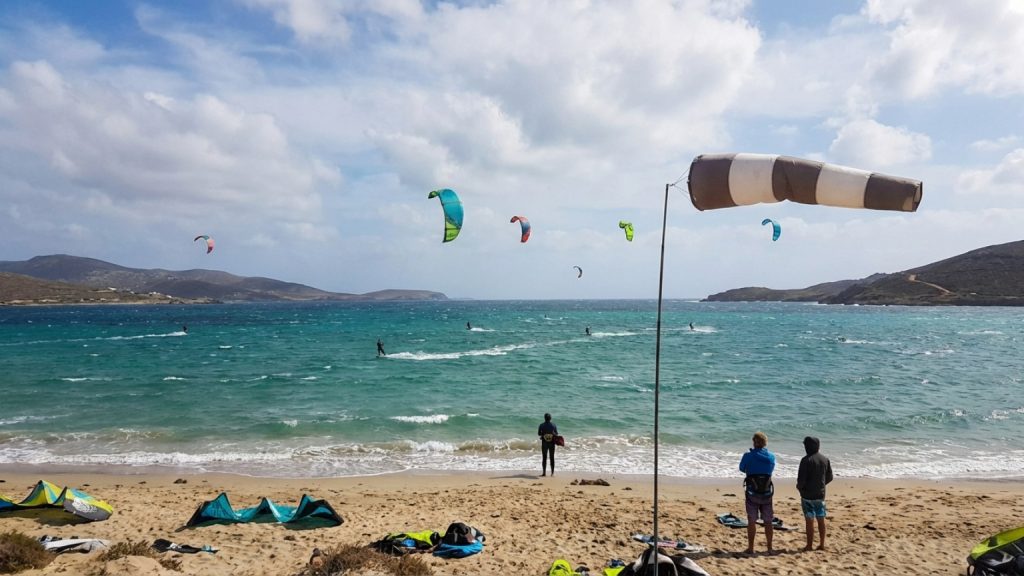
Finding the perfect conditions for kitesurfing can be a challenge. You might spend hours checking forecasts, only to arrive at a spot with insufficient wind. This frustration often comes from not knowing how to identify truly reliable locations. Understanding what makes a spot consistently windy is key.
1. What defines a windy spot for kitesurfing?
Finding a good kitesurfing spot depends on specific wind characteristics. The ideal location offers consistent and reliable wind. These conditions make learning easier and riding more enjoyable. You need enough wind to power your kite, but not too much to make it unsafe much make unsafe.
- Consistent Wind Speed: A top spot provides steady wind without sudden lulls or strong gusts. This consistency ensures you can stay powered and maintain control throughout your session. For example, some coastal areas experience reliable thermal winds that develop daily in the afternoon.
- Favorable Wind Direction: Cross-shore or cross-onshore winds are safest and most practical for kitesurfing. These directions allow you to return to the beach easily if you have a problem, reducing the risk of being carried out to sea.
- Open Space: There must be plenty of clear water and a wide, unobstructed beach for launching and landing your kite. Obstacles like buildings or tall trees can create dangerous wind shadows and turbulence, making the area unsafe.
- Shallow and Flat Water: Beginners benefit greatly from shallow, calm water, which makes standing up and retrieving your board simpler. Lagoons or protected bays often provide these ideal conditions, offering a safe environment to learn and practice.
These elements combine to create a prime location for kitesurfing. Understanding them helps you choose the best place for your skill level and preferences.
2. Why do certain sites have consistent wind for kitesurfing?
Consistent wind is essential for enjoyable kitesurfing. Certain locations around the world offer reliable wind patterns for this sport. These spots benefit from specific geographical and climatic features. Understanding these elements helps us see why some places are ideal.
- Thermal Winds: Land heats up faster than the sea during the day. This temperature difference pulls cooler air from the water, creating a consistent breeze, like on many Mediterranean beaches in summer afternoons.
- Venturi Effect: Wind accelerates when it passes through a narrow gap, such as between landmasses or mountains. This funnelling effect makes the wind much stronger and more focused, like in Tarifa where wind is squeezed between continents.
- Coastal Shape: The specific layout of a coastline, including bays or long, open beaches, can influence wind direction and strength. These features can channel wind, making it more predictable for kitesurfing.
- Pressure Systems: Large-scale atmospheric pressure differences drive regional wind patterns. High-pressure systems often bring stable, consistent winds to nearby coastal areas, for instance, the Azores High influencing the Atlantic coast of Europe.
These natural elements combine to create perfect conditions for kitesurfing in specific areas. Knowing these factors helps you find the best spots for consistent wind and great rides.
3. How to identify the best windy spots for kitesurfing?
Identifying top windy spots for kitesurfing requires understanding specific environmental factors. You need to consider both geographical features and local weather patterns. These elements work together to create ideal conditions for riding. Knowing what to look for helps you find the best places.
- Wind Consistency: Consistent wind is crucial for kitesurfing. It allows for steady power and predictable riding. Gusty winds, for example, make it much harder to control your kite and board.
- Wind Direction: The safest wind directions are side-shore or cross-onshore. These winds push you back towards the beach if you have a problem. Offshore winds can be very dangerous because they blow you out to sea.
- Obstacles and Surroundings: Look for open areas without tall buildings, trees, or cliffs near the water. Obstacles can block the wind or create dangerous turbulence. A wide, clear beach is often a good sign.
- Local Weather Patterns: Many top spots benefit from predictable local weather phenomena, like thermal winds. These winds often build up in the afternoon, providing reliable conditions. Researching a spot’s specific wind season helps you plan your trip.
- Water Conditions: Different water conditions suit various skill levels. Flat water is great for beginners and practicing new tricks. Waves offer an exciting challenge for more experienced riders.
Paying attention to these details will greatly improve your kitesurfing experience. Choosing the right location means you can focus on learning and enjoying your time on the water.
4. What to do to choose ideal windy spots for kitesurfing?
Choosing the best windy spots for kitesurfing requires careful thought and research. You need to consider several factors to ensure a good and safe experience. These factors include understanding wind patterns, local geography, and wave conditions. Knowing these details helps you pick a location that matches your skill level.
- Understand wind patterns: Research the typical wind seasons and daily patterns for a location. For example, some spots only have strong winds in the afternoon, while others are windy all day.
- Check wind direction and safety: Always prioritize spots with safe wind directions, like cross-shore or cross-onshore winds. Offshore winds can carry you out to sea, which is dangerous for most riders.
- Observe local geography: Look for wide, sandy beaches with few obstacles like rocks or buildings. Shallow, flat water near the shore is also ideal for learning and practicing new tricks.
- Study tides and currents: Strong currents can make kitesurfing difficult and tiring, especially for beginners. Always check the tide charts, as some spots become unsuitable at high or low tide.
- Consult local forecasts and experts: Use reliable wind forecasting apps and talk to experienced local riders or instructors. They can offer valuable insights into the best times and conditions for a specific spot.
Paying attention to these details will greatly improve your kitesurfing experience. This careful planning ensures you find a safe and enjoyable spot for your skill level.