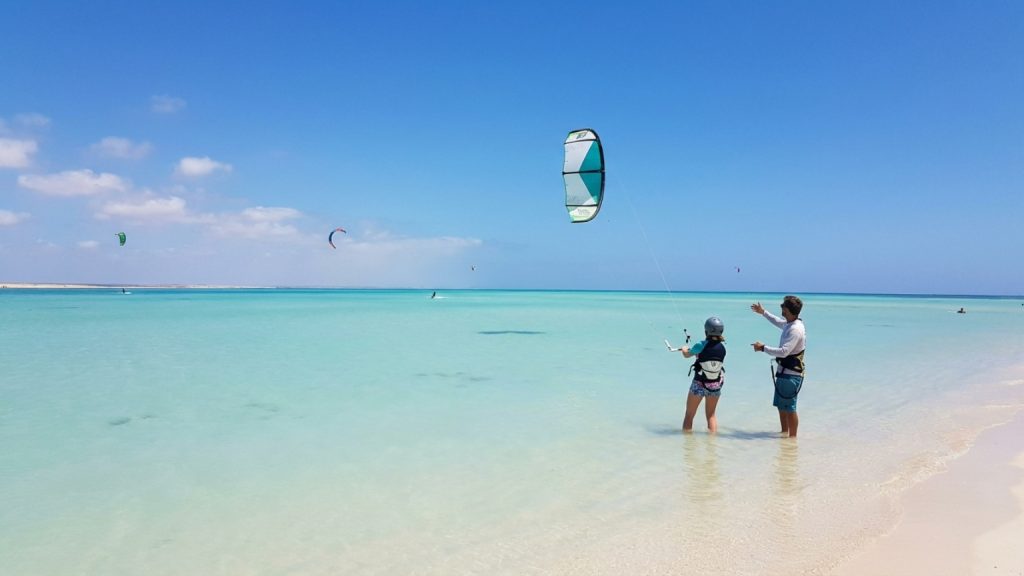
Many people dream of gliding across the water, powered by the wind. However, starting kitesurfing can feel overwhelming, especially when choosing the right location. You might wonder if any beach will do, or if specific conditions are necessary for safe and effective learning. This understanding is crucial for a successful start.
1. What is the suitability of a beach for learning kitesurfing?
Choosing the right beach is very important for learning kitesurfing safely and effectively. An ideal location offers specific natural conditions that help new riders develop skills without unnecessary challenges. These features create a supportive environment, making your first steps on the water much easier to manage much easier manage.
- Shallow, flat water: This condition is crucial for beginners because it allows you to stand up easily if you fall. Being able to recover your board and kite quickly reduces fatigue and helps you practice more.
- Consistent, moderate wind: Steady winds, typically between 12 and 20 knots, are ideal for learning. This range allows you to practice kite control without the wind being too weak to lift the kite or too strong to handle safely.
- Plenty of open space: A wide, uncrowded beach and a large water area are necessary for safety. This gives you ample room to launch your kite, practice body dragging, and ride without hitting other people or obstacles.
- Absence of hazards: The best learning beaches have no rocks, strong currents, or busy boat traffic. A clear environment reduces risks significantly and allows you to focus purely on mastering your kitesurfing skills.
- Accessible support and rescue: A beach with nearby kitesurfing schools or designated rescue services offers an added layer of safety. Knowing that help is available if you drift too far or encounter an issue provides great peace of mind.
Finding a beach with these specific qualities will make your kitesurfing journey much smoother and more enjoyable. It helps you build confidence quickly and allows for faster progress in the sport.
2. Why is the selection of a proper beach important for learning kitesurfing?
Choosing the right beach is very important when you learn kitesurfing. A suitable location directly impacts your safety and how quickly you progress in this sport. Beginners especially need specific conditions to build skills without facing unnecessary risks. For example, a crowded beach with strong, gusty winds makes learning much harder and more dangerous.
- Safety and Space: A wide, uncrowded beach reduces the chance of collisions with other people or objects. This gives you ample room to practice launching, landing, and controlling the kite safely.
- Wind Direction and Consistency: Steady, cross-onshore winds are ideal for learning because they gently push you towards the shore, not out to sea. Gusty or offshore winds make kite control difficult and can be very dangerous for new riders.
- Water Conditions: Shallow, flat water allows you to stand up easily if you fall, which is a common occurrence for beginners. This also makes body dragging and recovering your board much simpler, saving energy and frustration.
- Absence of Obstacles: A beach free from rocks, trees, power lines, or buildings prevents accidental kite snags or collisions. Such clear surroundings ensure a safer and less stressful learning environment for everyone.
Selecting the correct beach sets the foundation for a successful and enjoyable kitesurfing journey. It helps you focus on mastering technique and having fun, making your first experiences positive and effective.
3. How to identify the best beach for learning kitesurfing?
Choosing the right beach is very important when you want to learn kitesurfing. An ideal beach makes your first lessons much safer and more effective. It also helps you build confidence and learn new skills faster.
- Consistent wind: Look for beaches with steady, moderate wind. Gusty or very strong winds make learning harder and less safe for beginners. For example, a beach with a consistent cross-shore wind helps you return to shore easily if you drift.
- Shallow, flat water: Shallow water allows you to stand up and regain control quickly. Flat water also prevents strong waves from making your learning difficult. Imagine learning in waist-deep water; you can easily pick up your board after a fall.
- Ample space: A wide, long beach gives you plenty of room to launch and land your kite safely. This space also helps you avoid other riders or obstacles while practicing.
- Few obstacles: Choose beaches with minimal rocks, reefs, or strong currents. These natural hazards can create dangers for new kitesurfers.
Paying attention to these details will greatly improve your learning experience. A good beach helps you enjoy kitesurfing from your very first lesson.
4. What are the steps for the choice of a beach for learning kitesurfing?
- Consistent Wind: Look for beaches with steady, moderate winds, ideally between 12 and 20 knots. Gusty or very strong winds make kite control difficult for beginners, increasing the risk of losing control. For example, trying to learn in high, unpredictable winds can be frustrating and dangerous.
- Shallow, Flat Water: Shallow water allows you to stand up easily if you fall, which happens often during initial lessons. Flat water, free from large waves or chop, makes it simpler to practice body dragging and water starts. Falling in deep, choppy water is much more challenging for a new learner.
- Ample Space: The beach and water area should be wide and long, providing plenty of room to launch and land your kite safely. This space also reduces the chance of collisions with other riders or beachgoers. A crowded beach, for instance, offers less margin for error and can be unsafe.
- Absence of Obstacles: Ensure the learning area is clear of trees, rocks, buildings, or other structures on land and in the water. Obstacles create wind shadows and increase the risk of your lines snagging or your kite crashing. Always check for submerged rocks or reefs before entering the water.
- Kitesurfing Schools and Rescue Services: Learning at a beach with certified kitesurfing schools nearby offers professional instruction and support. These schools often provide rescue services, which are vital for beginners who might drift downwind or get into trouble. Having instructors close by ensures quick help if you need it.