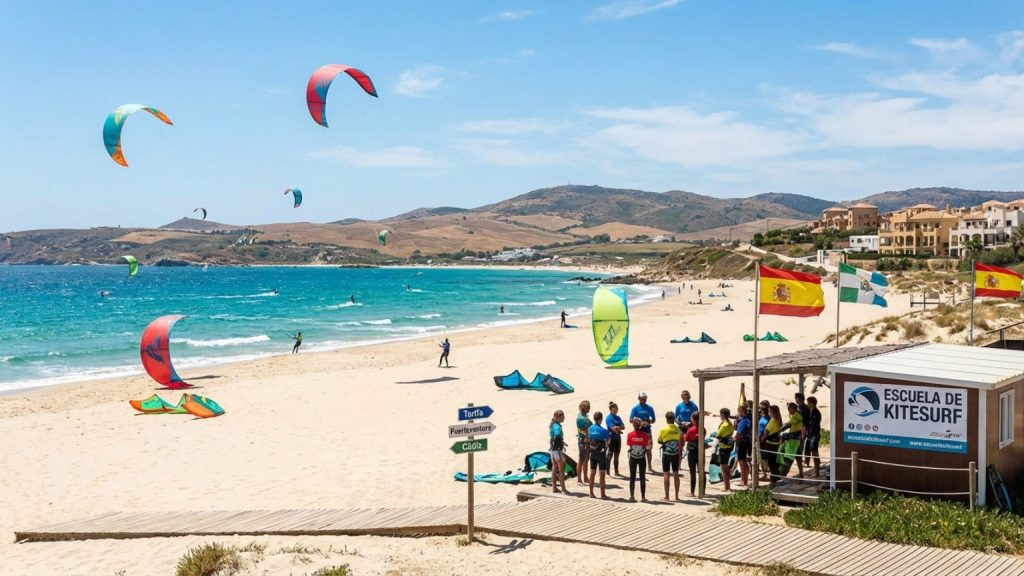
Are you dreaming of gliding across the water, powered by the wind, but unsure where to begin your kitesurfing adventure in Spain? Many enthusiasts face the challenge of finding the perfect spot with ideal conditions. We understand this common dilemma and are here to help you navigate your options.
1. What is the identification of the main zones for kitesurfing in Spain?
- Tarifa, Cádiz: This town is famous for strong and consistent winds, like the Levante and Poniente, which blow almost year-round. Many certified schools and rental shops operate here, making it an ideal destination for riders of all levels.
- Fuerteventura, Canary Islands: The island boasts reliable trade winds all year, attracting kitesurfers seeking warm weather and diverse wave conditions. Beaches such as Sotavento offer vast areas for riding and learning in a beautiful setting.
- Delta del Ebro, Tarragona: This area provides shallow, flat water in its bays, which is perfect for beginners and freestyle enthusiasts looking for smooth surfaces. The calmer conditions here make learning new tricks and improving technique much easier.
- Mar Menor, Murcia: Known as Europe’s largest saltwater lagoon, Mar Menor has extremely shallow and warm water, creating a very safe environment. This natural feature makes it very comfortable for children and new learners to practice easily.
2. What is the reason for Spain’s popularity as a destination for kitesurfing?
Spain is a top choice for kitesurfing enthusiasts from around the world. Its popularity comes from a great mix of reliable wind, varied coastlines, and a warm climate. These elements create ideal conditions for riders of all skill levels.
- Consistent Wind Conditions: Many Spanish regions, especially in the south, offer strong and steady winds for kitesurfing. For example, Tarifa in Andalusia benefits from the famous Levante and Poniente winds, which create perfect conditions almost every day of the year.
- Diverse Coastlines: Spain has a wide range of beautiful beaches and calm lagoons suitable for different kitesurfing styles and levels. Beginners can learn safely in calm, shallow waters, while more experienced riders can find challenging waves and open sea conditions.
- Warm and Sunny Climate: The country enjoys many sunny days and pleasant temperatures for much of the year, making it comfortable to spend hours on the water. This allows for extended kitesurfing seasons, often starting in spring and lasting well into autumn.
- Developed Kitesurfing Infrastructure: Spain has many reputable kitesurfing schools and rental centers, especially in popular spots like Tarifa. These places offer certified lessons, provide good equipment, and foster a welcoming community for all visitors.
Spain’s combination of natural advantages and strong support for the sport makes it an excellent kitesurfing destination. You will find great conditions and a welcoming community here, no matter your experience level.
3. How is the choice of the ideal place for kitesurfing in Spain?
- Wind Conditions: Consistent and reliable wind is essential for kitesurfing. Some areas, like Tarifa, are famous for strong, predictable winds, which are perfect for experienced riders. Other spots might offer lighter breezes, better for beginners learning the basics.
- Water Conditions: Flat water makes learning easier and is great for freestyle tricks. In contrast, locations with waves appeal to advanced riders looking for a surfing challenge. For example, a beginner might prefer a sheltered bay, while an expert seeks open ocean swells.
- Infrastructure and Services: Look for places with established kitesurfing schools, rental shops, and rescue services. These amenities provide safety and convenience, especially if you are new to the sport or traveling without your own gear. Availability of these services can greatly improve your experience.
- Season and Climate: The best time to visit can vary by region. Southern Spain often has good winds year-round, while northern coasts might be more seasonal. Check the typical weather patterns for your chosen destination to ensure optimal conditions during your visit.
4. How is the preparation for your kitesurfing experience in Spain?
You need to prepare carefully for your kitesurfing trip to Spain. Good planning makes your experience safer and more enjoyable. This involves understanding the local conditions, selecting the right school, and packing suitable gear. Thinking ahead helps you maximize your time on the water time the water.
- Choose your destination: Spain offers many great kitesurfing spots. Tarifa, for example, is famous worldwide for its consistent winds and vibrant atmosphere.
- Book lessons or rentals: If you are a beginner, lessons are vital for safety and quick progress. Even experienced riders might rent equipment to avoid travel hassle.
- Check weather conditions: Kitesurfing relies on specific wind speeds and directions. Always check the forecast for your chosen spot, like the Levante or Poniente winds in Tarifa.
- Pack essential items: Bring high-SPF sunscreen, a hat, and swimwear. A wetsuit might be useful depending on the season and water temperature.
- Consider physical fitness: Kitesurfing uses your core and leg muscles. Light exercise before your trip can help you feel stronger and avoid fatigue.
Proper preparation is key to a successful kitesurfing adventure. Following these steps helps you focus on learning and enjoying the incredible Spanish coastlines.