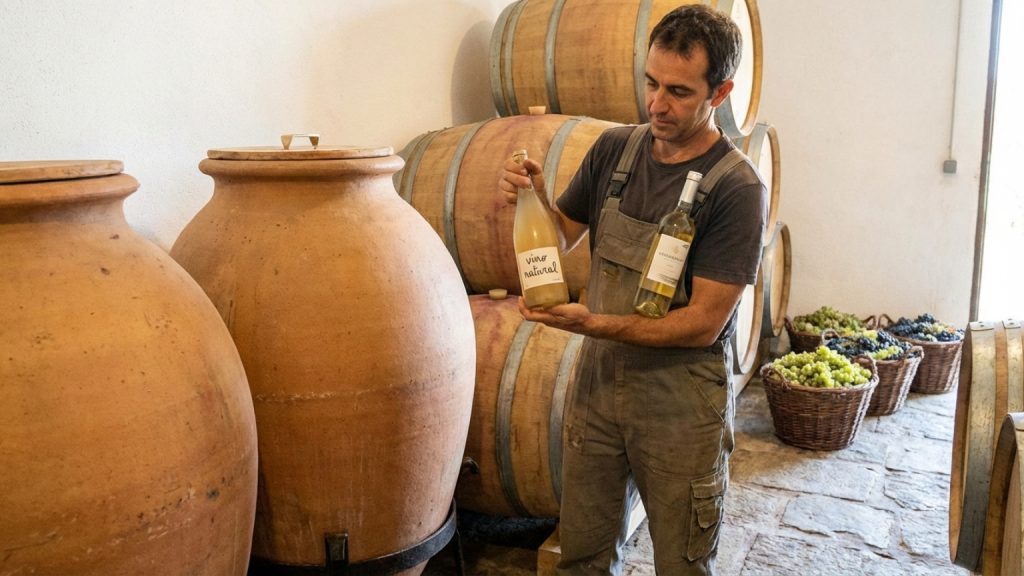
Have you heard about natural wines but feel unsure what they truly mean? Perhaps you wonder if they are just a trend or a genuinely different way to enjoy wine. Many people find themselves curious about this growing category. We can help you understand the basics.
1. What is the essence of natural wines?
Natural wines represent a return to traditional winemaking practices, focusing on minimal intervention from grape to bottle. They differ significantly from conventional wines because they avoid many modern additives and industrial processes. The essence lies in allowing the grapes and their unique environment to express themselves authentically, which often creates distinct and complex flavor profiles.
- Organic and Biodynamic Farming: Winemakers grow grapes without synthetic pesticides, herbicides, or chemical fertilizers. This practice supports healthy soil and vibrant ecosystems in the vineyard, which is crucial for the grape’s natural vitality.
- Wild Yeast Fermentation: Grapes ferment using only the natural yeasts present on their skins and in the cellar environment. This process allows for unique flavors specific to the vineyard’s microbial life, reflecting the wine’s true origin.
- Minimal Additives: Natural winemakers avoid adding common agents like enzymes, fining agents, or excessive sulfites. The goal is to let the wine develop naturally with few external influences, preserving its inherent character.
- No or Low Sulfur Dioxide: Sulfur is a common preservative in winemaking, but natural wines use very little or none at all. This choice often results in a wine that expresses more raw fruit character and can be preferred by those sensitive to sulfites.
- Unfiltered and Unfined: Many natural wines skip the filtering and fining steps, which typically remove particles for clarity. This means the wine might appear cloudy but often retains more texture and complex flavors; for example, you might see small sediment at the bottom of a bottle, which is a normal part of its natural character.
Ultimately, natural wines offer a different experience for drinkers, emphasizing purity and authenticity. They invite you to taste the true expression of the grape and its origin without artificial enhancements.
2. Why is the popularity of natural wines growing?
The popularity of natural wines is increasing for several reasons. Many people now seek more authentic and transparent products. Natural wines offer a distinct taste, different from what they might expect from conventional bottles. This growing interest also comes from a general desire for sustainable and organic choices in food and drink.
- Authenticity and transparency: Consumers want to understand the origins of their wine. Natural winemakers often provide clear information about their grapes and processes. For example, a small vineyard might detail its hand-harvesting methods and lack of chemical sprays.
- Unique flavor profiles: These wines often express the specific characteristics of the land. They can offer vibrant, sometimes unexpected, tastes and aromas that differ from industrially produced wines.
- Health and wellness focus: Many natural wines contain fewer or no added sulfites and other synthetic additives. This appeals to people looking for «cleaner» options in their diet.
- Environmental sustainability: Natural wine production frequently uses organic or biodynamic farming methods. These practices support healthier soil and ecosystems.
- Connection to traditional methods: Natural winemaking often revives ancient techniques passed down through generations. This appeals to those who appreciate craftsmanship and heritage in their beverages.
This trend shows a wider move towards more conscious consumption. Natural wines provide a fresh and engaging experience for many wine drinkers.
3. How is the elaboration of natural wines and their characteristics?
Natural wines are made with minimal intervention throughout the winemaking process. This approach emphasizes healthy grapes and simple techniques in the cellar. The goal is to let the grape and its origin express themselves clearly. These wines often show distinct characteristics compared to conventional wines compared conventional wines.
- Grape cultivation: Grapes for natural wines come from organic or biodynamic vineyards. Farmers avoid synthetic pesticides, herbicides, and fertilizers, ensuring pure grapes from the start.
- Wild yeast fermentation: Winemakers use only the natural yeasts present on grape skins for fermentation. They do not add commercial yeast strains, which can lead to complex and sometimes unexpected flavors.
- No additives: Natural wines contain no added sugars, acids, or enzymes. Winemakers also avoid common fining agents and keep sulfite additions very low or absent.
- Minimal filtration: Many natural wines are not filtered or are only lightly filtered before bottling. This helps preserve natural flavors and textures; for example, some may appear slightly cloudy.
These methods create wines that reflect their specific vintage and vineyard with authenticity. Exploring natural wines offers a unique and often surprising tasting journey.
4. What to do to start exploring natural wines?
Exploring natural wines can be a rewarding journey for any wine lover. You might feel unsure where to begin with so many options available. Fortunately, starting your adventure into natural wines is simpler than you think. You just need a few practical steps to guide you.
- Choose approachable varietals: Start with grapes known for their natural expression, like Gamay or Chenin Blanc. These wines often show vibrant fruit and clear minerality, making them easy to understand.
- Visit a dedicated wine shop: Seek out shops that specialize in natural wines. Their staff can offer personalized recommendations based on your taste preferences and help you learn more.
- Attend a natural wine tasting: Many stores or bars host events focused on natural wines. This lets you sample different styles and producers, helping you discover what you enjoy, such as a fresh pét-nat sparkling wine.
- Read about the winemakers: Learning about the producers’ philosophies and methods can deepen your appreciation. Understanding their commitment to minimal intervention helps you connect with the wine’s story.
- Pair with simple, fresh food: Natural wines often shine with uncomplicated dishes. Think fresh cheeses, charcuterie, or roasted vegetables, which allow the wine’s unique flavors to stand out.
Starting your natural wine exploration is about curiosity and open-mindedness. With these tips, you can confidently discover the diverse and exciting world of wines made with minimal intervention.