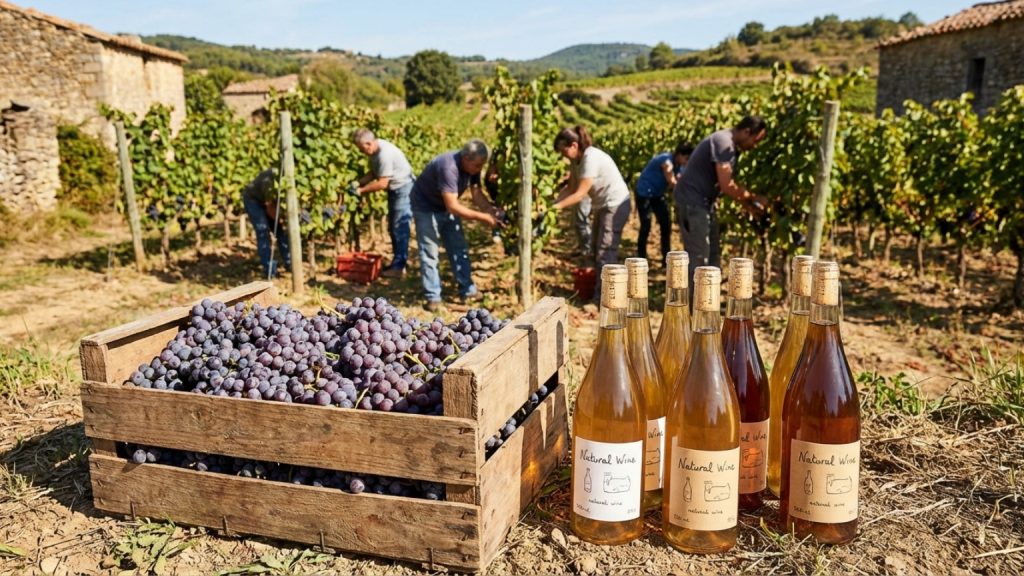
Perhaps you have seen ‘natural wines’ on a menu and wondered what they truly mean. Many people feel uncertain about this growing trend in the wine world. You might be looking for a different experience. We can help you explore this fascinating topic.
1. What is the definition of natural wines?
Natural wines represent a winemaking philosophy that prioritizes minimal intervention from vineyard to bottle. This approach means grapes grow without synthetic chemicals, and the winemaking process uses few or no additives uses few additives.
The goal is to let the natural qualities of the grapes and their terroir shine through. This results in a wine that truly reflects its origin.
- Organic or Biodynamic Farming: Grapes come from vineyards that do not use synthetic pesticides, herbicides, or fertilizers. This practice ensures a healthier ecosystem and cleaner fruit for winemaking.
- Hand Harvesting: Workers pick grapes by hand to prevent damage and select only the best fruit. This careful selection is crucial for the wine’s quality and character.
- Native Yeasts: Fermentation happens with yeasts naturally present on the grape skins or in the winery environment. For example, a wine from a specific region will ferment with its unique local yeast strains, contributing to distinct flavors.
- No or Minimal Additives: Winemakers avoid adding sugar, acids, or artificial flavors during production. Sulfur dioxide is often used sparingly, if at all, to preserve the wine.
- Unfiltered and Unfined: Many natural wines are not filtered or fined, which means they can appear slightly cloudy. This process keeps more natural compounds in the wine, enhancing its texture and flavor.
These methods create wines with vibrant, often unpredictable characteristics. Natural wines offer a unique and authentic tasting experience for those seeking a purer expression of the grape.
2. Why is the choice of natural wines important for you?
The choice of natural wines holds significant importance for you, the consumer. These wines are made with minimal intervention, which means fewer additives and a purer product. This approach impacts both the wine’s flavor and your overall enjoyment. Choosing these wines connects you to a more authentic and environmentally friendly process.
- Purer Ingredients: Natural wines typically contain fewer artificial additives and chemicals. This means you can enjoy a cleaner taste, and you may also avoid common sensitivities, like headaches often associated with conventional wines.
- Unique Flavor Profiles: With minimal intervention, natural wines truly express the unique characteristics of the grape and its origin. You might discover surprising and complex flavors, and this makes each bottle a distinct and memorable experience compared to mass-produced options.
- Environmental Responsibility: Many natural wine producers use organic or biodynamic farming practices. Choosing these wines helps support healthier soil and biodiversity, and this aligns with your desire for eco-friendly products.
- Support for Artisanal Producers: Natural winemaking is often a small-scale, labor-intensive craft. Your purchase directly supports independent winemakers, and they prioritize quality and traditional techniques over industrial production.
- Greater Transparency: Producers of natural wines often share clear information about their farming and cellar practices. This transparency allows you to understand exactly how your wine was made, and it also fosters a deeper connection to its origin and story.
Opting for natural wines offers you a chance to enjoy wine in a more authentic and mindful way. It is a choice that benefits your palate, your health, and the planet.
3. How to identify natural wines?
Natural wines often stand out in subtle ways, both in their appearance and how they are made. These wines reflect a philosophy of minimal intervention from grape to bottle. You can look for certain cues on the label and in the wine itself to recognize them. Understanding these signs helps you choose natural wines confidently.
- Label details: Look for phrases like «no added sulfites,» «unfiltered,» or «unfined» on the bottle. Some natural wines may also carry certifications for organic or biodynamic farming.
- Cloudy appearance: Many natural wines are unfiltered, meaning they retain some sediment. This can give the wine a slightly hazy or cloudy look, which is perfectly normal for this style.
- Unique aromas and flavors: Natural wines often have earthy, savory, or even slightly funky notes. They may taste less overtly fruity compared to conventional wines, offering a different sensory experience.
- Producer information: Researching the winery can reveal their commitment to natural winemaking practices. Many natural winemakers openly share their low-intervention methods, such as using native yeasts and avoiding additives.
Identifying natural wines becomes easier as you explore different bottles and producers. These characteristics help you appreciate the unique qualities of wines made with minimal intervention.
4. What to do when exploring natural wines?
Exploring natural wines can be a rewarding experience for any wine enthusiast. These wines often show unique flavors and textures because of minimal intervention in the winemaking process. Approaching them with an open mind will help you appreciate their distinct character. You might discover new favorites that differ greatly from conventional wines.
- Begin with familiar grapes: Choose natural wines made from grapes you already enjoy, like Pinot Noir or Sauvignon Blanc. This helps you understand the natural winemaking style without also learning a new grape’s profile.
- Ask for recommendations: Speak with a sommelier or a wine shop owner who specializes in natural wines. They can guide you based on your taste preferences and suggest suitable bottles.
- Examine the label: Look for phrases like «unfiltered,» «unfined,» «no added sulfites,» or «organic/biodynamic grapes.» These terms indicate a wine made with minimal intervention and natural practices.
- Explore diverse styles: Natural wines vary greatly depending on the region, grape, and winemaker. Try different varieties from various countries to broaden your understanding and find what you like.
- Mind the serving and storage: Many natural wines benefit from a slightly cooler serving temperature than conventional reds. Store them properly, often in a cool, dark place, because they can be more sensitive to temperature changes.
Embracing natural wines involves a journey of discovery and a willingness to explore new tastes. This approach allows you to fully appreciate the diversity and authenticity these unique bottles offer.