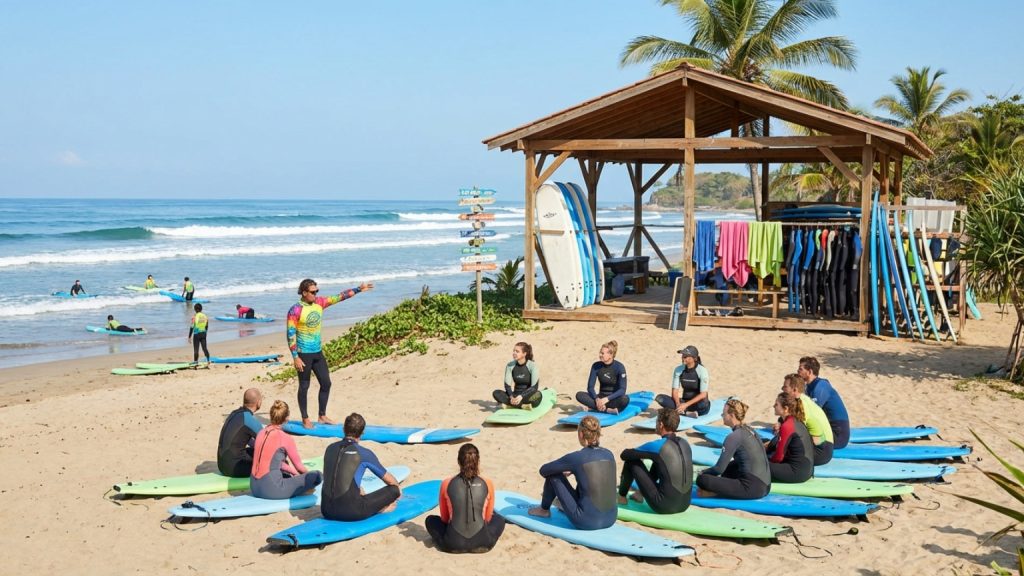
Learning to surf can seem challenging, especially if you are new to ocean sports. You might wonder about the best way to start or how to gain confidence in the waves. A surf camp offers a structured and supportive environment. We help you overcome these initial hurdles and discover the joy of surfing safely.
1. What is the essence of a surf camp experience?
A surf camp experience is much more than just learning to ride waves. It offers a unique blend of skill development, personal growth, and connection with nature. You immerse yourself in a new environment, focusing on surfing while building confidence. This experience creates lasting memories and teaches valuable life lessons.
- Expert Instruction: You receive focused teaching from certified instructors who know the local waves well. They guide you through proper techniques, safety rules, and ocean awareness, ensuring you learn correctly from day one.
- Community and Friendship: You share this experience with a group of like-minded individuals, often from different places. Many participants form strong friendships as they learn and grow together, creating a supportive atmosphere.
- Ocean Connection: You spend significant time in the water, developing a deep respect for the ocean’s power and beauty. This direct interaction helps you understand wave patterns and marine life, fostering a connection with nature.
- Skill and Confidence Building: Each successful wave ride increases your self-assurance and physical ability. For example, you might start by paddling on a foam wave and quickly progress to standing up, feeling a real sense of accomplishment.
- Structured Learning: A surf camp provides a clear schedule for lessons, practice, and other fun activities. This structure ensures consistent progress and a well-rounded experience, making every day productive and enjoyable.
Ultimately, a surf camp experience is about personal growth and adventure. It combines physical activity with mental resilience, offering a truly fulfilling journey.
2. Why is a surf camp beneficial for learning to surf?
A surf camp provides an excellent setting for anyone wanting to learn how to surf effectively. These camps offer a structured environment with expert guidance, which is crucial for beginners. You will also find more than just lessons; you get a complete immersion into the surfing lifestyle.
- Expert Instruction: Certified coaches provide personalized feedback tailored to your skill level. For instance, trying to catch your first wave alone can be frustrating, but an instructor offers immediate tips on paddling and timing, making the process much smoother.
- Structured Learning: Camps offer a clear progression, starting from basic techniques and moving to more advanced skills. Daily schedules ensure consistent practice and help you build muscle memory quickly.
- Safety Focus: Trained staff supervise all activities, prioritizing ocean safety above all else. You learn about currents, waves, and proper board handling in a controlled and secure environment.
- Community Support: Learning with peers creates a supportive and fun atmosphere. This shared experience helps build confidence and motivates everyone to improve together.
- Full Immersion: Spending several days focused solely on surfing greatly accelerates your learning curve. You get continuous practice and immediate application of new skills, allowing for faster progress.
Choosing a surf camp means you commit to a dedicated learning experience. This focused approach helps you grasp surfing fundamentals quickly and safely.
3. How does a surf camp structure the learning process?
A surf camp carefully organizes the learning process to help you gain skills safely and effectively. We combine essential theory with practical water sessions. This approach ensures you build a strong foundation before hitting the waves. Our goal is to make learning to surf fun and accessible for everyone.
- Safety and Ocean Awareness: We begin each session with important safety briefings and lessons on ocean awareness. You learn about currents, tides, and how to stay safe in the water before you even get wet.
- Dry-Land Fundamentals: Before entering the ocean, you practice key movements on the sand. For example, you will learn how to «pop up» on your board, which helps build muscle memory.
- Small Group Water Instruction: Our certified instructors provide personalized guidance during water sessions. You receive direct feedback and support as you try to catch your first waves in a small group setting.
- Wave Reading and Etiquette: We teach you how to identify suitable waves and understand wave patterns. You also learn about surf etiquette, which is how surfers share waves and respect each other in the water.
- Equipment Knowledge: You learn about the different types of surfboards and how to choose the right one for your skill level. We also show you how to properly care for your equipment, like rinsing your board after each use.
This structured method helps you progress naturally and build confidence in the water. By following these steps, you develop real surfing skills and a deep respect for the ocean.
4. What steps should you take to choose a surf camp?
- Assess your skill level: Consider if you are a complete beginner or if you have some prior surfing experience. Some camps cater specifically to new surfers, while others offer programs for more advanced riders.
- Check instructor qualifications: Look for camps with certified and experienced instructors. Qualified teachers ensure safety and provide proper guidance to help you learn correctly.
- Review group sizes: Smaller group sizes often mean more personalized attention from instructors. This can be very beneficial for faster learning and receiving specific feedback on your technique.
- Research the location and waves: Investigate the surf spot where the camp operates. For example, a beginner might prefer a location with gentle, rolling waves in a sheltered cove, which makes learning easier.
- Consider accommodation and amenities: Think about what type of lodging and facilities you need. Some camps offer basic dorms, but others might provide private rooms, meal plans, or extra activities.