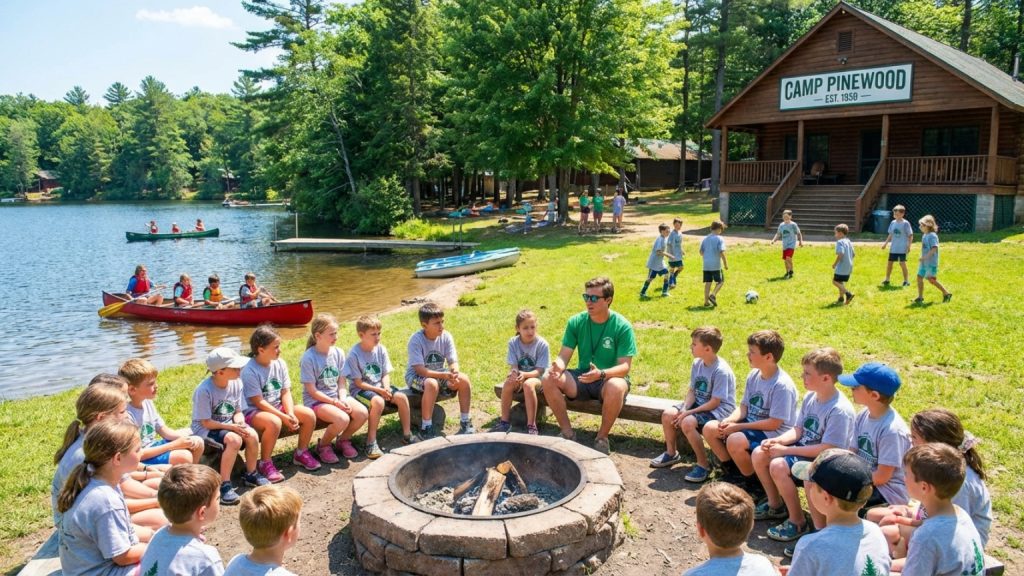
Parents often struggle to find engaging and safe activities for their children during summer break. You might wonder how to fill those long weeks with meaningful experiences. A summer camp offers a structured environment for growth and fun. We want to help you understand what makes these programs so valuable.
1. What is the definition of a summer camp?
A summer camp is a structured program designed for children and teenagers during school holidays. These camps offer a variety of activities focused on learning new skills, making friends, and personal growth.
They provide a safe and supervised environment away from home. For example, a child might spend their days learning to surf, building confidence, and enjoying the ocean with peers.
- Structured Programs: Summer camps offer a planned schedule of activities each day. This structure ensures your child has a full, engaging day with clear expectations and consistent learning.
- Supervised Environment: Experienced staff members oversee all activities and ensure children’s safety at all times. Parents can feel confident their child is well-cared for and protected in a supportive setting.
- Skill Development: Children learn new skills or improve existing ones, often in a specialized area. For instance, a surf camp helps kids master wave riding and ocean safety techniques.
- Social Interaction: Campers meet new friends from diverse backgrounds and build lasting connections. They learn teamwork and communication skills through shared experiences and group activities.
- Personal Growth: Being away from home fosters independence, self-reliance, and a sense of accomplishment. Children gain confidence as they overcome challenges and achieve new goals in a supportive community.
Ultimately, a summer camp provides a unique opportunity for children to grow in many valuable ways. It offers a memorable experience filled with fun, learning, and new friendships that last beyond the summer.
2. Why is a summer camp important for child development?
Summer camps offer more than just fun activities for children. They play a vital role in a child’s overall development by providing unique growth opportunities outside of school. These experiences help children build important life skills, make new friends, and explore new interests in a supportive environment interests supportive environment.
- Social Skills: Children learn to interact with peers and adults from different backgrounds. They practice teamwork, communication, and conflict resolution daily.
- Independence and Confidence: Away from home, children learn to make their own choices and manage personal responsibilities. This builds self-reliance and increases their belief in their own abilities.
- New Skill Development: Camps introduce children to new hobbies or sports, such as surfing in a surf camp. Learning a new skill helps them discover hidden talents and develop perseverance.
- Physical Activity and Health: Summer camps encourage active play and outdoor exploration. This promotes physical fitness and teaches healthy lifestyle habits.
- Problem-Solving Abilities: Children face small challenges, like navigating a new schedule or sharing resources with others. They learn to think creatively and find solutions independently.
In short, a summer camp provides a rich setting where children can grow in many ways. It helps them become more well-rounded, confident, and capable individuals.
3. What is the process for choosing a summer camp?
Choosing the right summer camp for your child requires thoughtful consideration. We know you want an experience that matches their interests and provides a safe environment. This process involves several key steps to help you make an informed decision. For example, many parents begin by thinking about what activities their child enjoys most.
- Understand your child’s interests: Start by considering what your child enjoys doing. Does your child love sports, art, or exploring nature, for instance? This helps narrow down the many camp options available.
- Research camp types: Look into various camp themes, such as adventure, academic, or specialty camps like surf camps. Each type offers a different focus and daily schedule.
- Check practical details: Examine the camp’s dates, location, and cost. Confirm these factors align with your family’s summer schedule and budget.
- Review safety and staff: Ask about staff-to-camper ratios, staff training, and the camp’s emergency procedures. Ensuring a safe and supportive environment is paramount for your child’s well-being.
- Read testimonials and ask questions: Look for feedback from other parents and prepare a list of questions for the camp director. This helps you get a clearer picture of the camp’s daily operations and overall atmosphere.
Taking these steps will help you find a summer camp that your child will love and remember. We are here to support you in making the best choice for their summer adventure.
4. What preparation is needed for a summer camp?
Preparing your child for summer camp helps ensure they have a positive experience. This involves both practical steps for you and emotional readiness for your child. A little planning helps create a smooth transition and an enriching time at camp. We want your child to feel ready and excited for their adventure.
- Packing essentials: Make a list of everything your child needs for the camp. For a surf camp, this means swimwear, a towel, and sunscreen, for example.
- Health information: Complete all medical forms accurately and tell the camp about any allergies or medications. For example, ensuring the camp staff knows about a peanut allergy is very important for your child’s safety.
- Discuss camp expectations: Talk with your child about what they will do and what the rules are. For example, explain that they will meet new friends and try fun activities like surfing.
- Emotional readiness: Help your child feel ready by discussing any worries they might have. If your child feels nervous about being away, remind them that many kids feel this way at first.
Taking these steps helps both you and your child feel ready for camp. This preparation sets the stage for a rewarding summer experience.