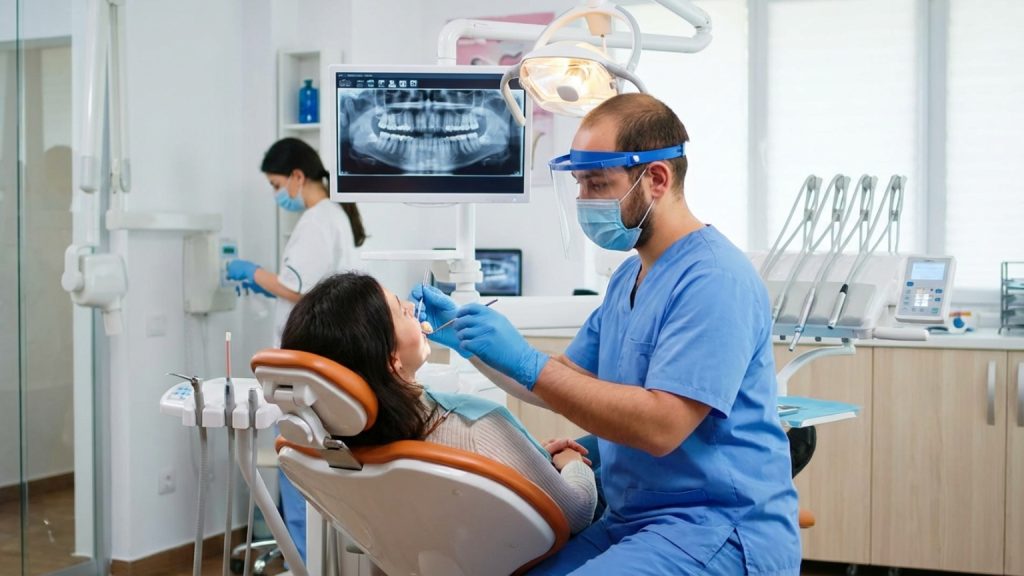
Do you often worry about bad breath or sensitive teeth? Many people face oral health issues without understanding their causes. Maintaining good dental care is crucial, not just for a bright smile, but for your overall health. We aim to clarify its importance.
1. What is the scope of modern dental care?
Modern dental care extends far beyond simply treating cavities. It encompasses a wide range of services designed to maintain, restore, and enhance your oral health. This broad approach helps people keep their teeth and gums healthy for life. Dental care today includes many advanced treatments and preventive measures for everyone.
- Preventive Care: This focuses on stopping dental problems before they start. Regular check-ups, professional cleanings, and fluoride treatments help maintain oral health and prevent common issues like cavities and gum disease. For example, consistent cleanings remove plaque and tartar, which prevents future problems.
- Restorative Dentistry: This area repairs or replaces damaged teeth. Procedures like fillings, crowns, and dental implants restore the function and appearance of your smile, such as when a broken tooth needs a crown. This helps you chew and speak properly.
- Cosmetic Dentistry: This type of care improves the aesthetic appeal of your teeth. Treatments such as teeth whitening, veneers, and clear aligners can change the shape, color, or alignment of your teeth for a better smile. Many people choose teeth whitening to brighten their smile.
- Specialized Treatments: Modern dental care also includes advanced procedures for specific conditions. This can involve root canal therapy for infected teeth, gum disease treatment, or extractions for problematic wisdom teeth. A root canal, for instance, saves a tooth that might otherwise be lost.
- Orthodontics: This field corrects misaligned teeth and jaws. Braces or clear aligners slowly move teeth into their correct positions, improving both bite function and the overall look of your smile. Many teenagers and adults use clear aligners for a straighter smile.
Modern dental care truly considers your whole health, not just your teeth. It aims to prevent disease, fix problems, and improve your smile for lasting well-being.
2. Why is consistent dental care vital for your long-term health?
Consistent dental care is essential for more than just a bright smile. It plays a significant role in your overall long-term health and well-being.
Regular visits to the dentist and good home hygiene can prevent many serious health issues. For example, neglecting daily brushing and flossing often leads to cavities and gum disease, which can then affect other parts of your body.
- Gum Disease Prevention: Consistent dental care helps prevent gum disease, an infection of the tissues supporting your teeth. If left untreated, this condition can lead to tooth loss and has been linked to other serious health problems.
- Early Problem Detection: Regular check-ups allow dentists to find and treat issues like cavities or gum inflammation early. Catching these problems when they are small prevents them from becoming more painful and complex over time.
- Overall Health Connection: Your mouth is a gateway to your body, and poor oral health can affect your general health. For instance, severe gum disease is associated with an increased risk of heart disease and diabetes complications.
- Pain and Cost Avoidance: Preventing dental problems through consistent care helps you avoid discomfort and expensive emergency treatments. Addressing small issues quickly is always less costly and painful than fixing large ones later.
Prioritizing your dental health through consistent care offers significant benefits beyond just your mouth. It protects your general health and helps you maintain a better quality of life for many years.
3. How can you recognize the need for professional dental care?
Recognizing the need for professional dental care helps keep your mouth healthy. Your body often gives clear signals when something is wrong inside your mouth. Paying attention to these signs allows you to get treatment early and prevent bigger problems.
- Pain or sensitivity: If you feel pain when chewing or sensitivity to hot or cold foods, this can signal a problem. For example, a sharp pain when drinking cold water might mean you have a cavity or exposed root.
- Bleeding gums: Bleeding gums when you brush or floss can indicate gum inflammation or disease. Healthy gums should not bleed during your daily cleaning routine.
- Persistent bad breath: Persistent bad breath, even after brushing, may point to underlying oral issues. This could be a sign of gum disease or hidden tooth decay.
- Changes in your mouth: Notice any changes like loose teeth, sores that do not heal, or a clicking jaw. These symptoms suggest you should see a dentist soon.
- Visible problems: Visible issues like dark spots on teeth, chipped enamel, or new gaps also mean you need a dental check-up. A dentist can assess these changes and suggest the best next steps.
Ignoring these common signs can lead to bigger problems and more complex treatments. Regular dental visits help keep your mouth healthy and prevent serious issues.
4. What are the actionable steps for effective dental care?
Effective dental care involves simple, consistent habits you can do every day. These actions help prevent common issues like cavities and gum disease. Following these steps also keeps your mouth feeling fresh and clean. Good oral hygiene is a straightforward way to protect your overall health.
- Brush your teeth twice a day: Brush for two minutes each time, using a fluoride toothpaste. This practice removes food particles and plaque, which are main causes of cavities.
- Floss daily: Use dental floss to clean between your teeth and along the gumline at least once a day. Flossing reaches areas your toothbrush cannot, preventing plaque buildup and gum disease.
- Use mouthwash: Rinse your mouth with an antiseptic mouthwash, especially after brushing and flossing. Mouthwash helps reduce bacteria and can freshen your breath throughout the day.
- Eat a healthy diet: Limit sugary snacks and drinks, as sugar feeds bacteria that cause tooth decay. Instead, choose foods rich in vitamins and minerals, like fruits, vegetables, and dairy.
- Visit your dentist regularly: Schedule routine check-ups and professional cleanings at least once a year, or as your dentist recommends. Regular visits allow your dentist to spot and address small problems, such as minor cavities, before they become more serious.
By consistently following these simple steps, you can maintain excellent oral health. These actions are crucial for preventing dental issues and supporting your overall well-being.