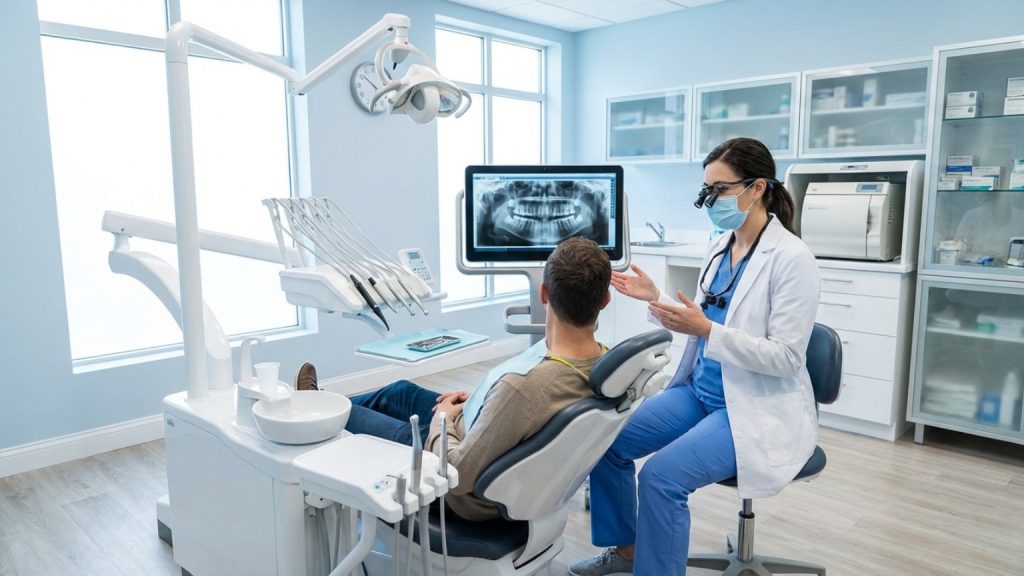
Do you ever wonder what a dental office truly offers beyond basic check-ups? Many people feel unsure about the full scope of services available. We understand these questions are common. This article clarifies the essential role of a dental office for your oral health.
1. What is the definition of a modern dental office?
A modern dental office is a healthcare facility dedicated to maintaining and improving oral health. It combines advanced technology with a patient-centered approach to care. These offices provide a wide range of services, focusing on both treatment and prevention for individuals and families.
- Advanced Technology: Modern dental offices use up-to-date tools to make diagnoses and treatments more accurate and comfortable. For example, digital X-rays help dentists see issues clearly with less radiation exposure than older methods.
- Comprehensive Services: Beyond simple check-ups, these offices offer many treatments for various dental needs. This includes cosmetic work, restorative procedures, and emergency care, so patients can often get many services in one place.
- Patient Comfort: Creating a calm and welcoming environment is a main goal for these offices. They often provide amenities like comfortable chairs or entertainment to help patients feel relaxed during their visit.
- Preventive Focus: A modern dental office strongly emphasizes preventing oral health problems before they begin. Dentists educate patients on good hygiene practices, such as proper brushing and flossing, to keep teeth healthy.
- Personalized Care: Each patient receives a treatment plan made for their specific health needs and goals. Dentists take time to listen to concerns and explain all available options clearly, ensuring care fits each person.
Therefore, a modern dental office acts as a central place for complete oral health management. It helps patients achieve and maintain a healthy, bright smile.
2. Why is the regular visit to a dental office important for your well-being?
Regular visits to a dental office are crucial for your overall well-being. These appointments help maintain not only your oral health but also contribute to your general physical condition.
Ignoring dental care can lead to issues that affect more than just your mouth. For example, a simple cavity left untreated can cause pain and infection, impacting your daily life and making it difficult to eat or speak comfortably.
- Preventing common issues: Regular check-ups and cleanings remove plaque and tartar buildup. This greatly reduces your risk of developing cavities and gum disease, which can be painful and costly to treat if left unaddressed.
- Early detection of serious conditions: Your dentist examines your mouth for more than just cavities. They look for early signs of oral cancer, gum disease, and other serious health problems that might not show symptoms yet.
- Supporting overall health: Poor oral health has links to systemic conditions like heart disease, diabetes, and respiratory problems. Keeping your mouth healthy helps protect your entire body from these related issues.
- Maintaining confidence and quality of life: A healthy mouth allows you to eat, speak, and smile without worry. This directly improves your self-esteem and how you experience daily life.
- Saving money over time: Addressing small dental problems early prevents them from becoming larger, more expensive issues. Regular preventive care is often more affordable than extensive restorative treatments needed later.
Prioritizing regular dental visits is a simple yet powerful way to protect your health. It is an investment in both your immediate comfort and your long-term well-being.
3. How is the quality of a dental office recognized?
Recognizing a high-quality dental office involves looking at several key areas. It goes beyond just the services offered. You should consider the overall patient experience, the professionalism of the staff, and the environment.
- Sterilization and Cleanliness: A high-quality dental office always maintains strict hygiene standards. This prevents infections and ensures a safe environment for every patient.
- Professional and Caring Staff: The dental team should include experienced dentists, hygienists, and support staff. They must communicate clearly and treat you with respect, like explaining your treatment options thoroughly.
- Clear Communication and Education: A quality office explains your treatment options, costs, and oral health needs. For example, your dentist should clearly discuss why a specific procedure is necessary before starting.
- Modern Technology and Techniques: Modern dental offices use up-to-date equipment for better diagnoses and treatments. For instance, digital X-rays can show problems more clearly and with less radiation exposure.
- Comfortable and Welcoming Environment: A good dental office creates a calm and inviting atmosphere. A friendly front desk staff and a comfortable waiting room can help ease any nervousness you might feel.
Recognizing a quality dental office means looking at more than just the treatments themselves. It involves a combination of professionalism, patient focus, and a commitment to your overall well-being.
4. What steps should you take when choosing a dental office?
Choosing a dental office requires careful thought. You want a place that meets your needs for oral health. Consider several factors before making your decision. This ensures you find a comfortable and professional environment.
- Location and Accessibility: A nearby office saves you time and travel effort. For example, choosing a clinic in your neighborhood makes appointments easier to keep.
- Range of Services: Ensure the office provides the care you need, from routine check-ups to more specific treatments. Some offices offer cosmetic procedures or emergency care, which can be useful.
- Dentist’s Credentials and Approach: Look into the dentist’s education, experience, and how they interact with patients. A good dentist explains procedures clearly and answers all your questions.
- Patient Experience and Comfort: The office atmosphere should make you feel at ease. Many people prefer a clinic that offers amenities like blankets or entertainment during treatment.
- Insurance and Payment Policies: Understand how the office handles billing and if they accept your dental insurance plan. Ask about payment plans for larger treatments if you need them.
Taking these steps helps you select a dental office that fits your preferences. A well-chosen dentist supports your long-term oral health journey.