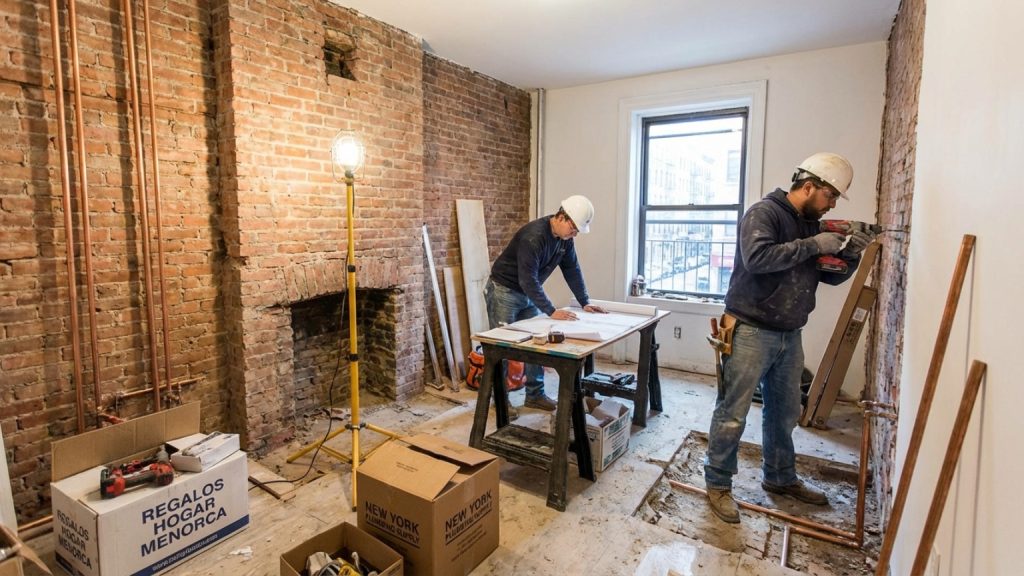
Your current bathroom may feel outdated, lack functionality, or simply no longer meet your needs. Thinking about a renovation can bring many questions, especially in a dynamic city like New York. Understanding the process is the first step. We help you navigate the complexities of transforming your space.
1. What is the scope of an NYC bathroom renovation?
An NYC bathroom renovation involves a broad range of work, going beyond simple cosmetic changes. It often includes significant updates to plumbing, electrical systems, and structural elements.
These projects require careful planning because of New York City’s unique building regulations and space constraints. For example, renovating a small bathroom in a pre-war apartment often means finding creative solutions for storage and layout.
- Demolition and structural work: This step involves removing old fixtures, tiles, and sometimes walls. It might also include reconfiguring the layout, which could mean moving a toilet or shower to a new spot.
- Plumbing and electrical upgrades: Modern renovations often replace outdated pipes and wiring to meet current safety codes. This could involve installing new water supply lines or adding extra outlets for appliances.
- Finishes and fixtures selection: Choosing new materials like tiles, flooring, vanity, toilet, and shower components is a key part. Clients often select durable, stylish options such as subway tiles or a custom-built vanity to fit the space.
- Permits and building regulations: Navigating NYC’s strict building codes and specific co-op or condo board rules is essential. Securing proper permits and approvals is a mandatory step before any work can begin.
- Waterproofing and ventilation: Ensuring the bathroom is protected from moisture is critical for longevity and preventing mold. Proper ventilation also helps maintain air quality, especially in compact NYC bathrooms.
The scope of a bathroom renovation in NYC is extensive and requires careful attention to detail. Success depends on thorough planning and adherence to all local requirements.
2. Why is an NYC bathroom renovation a valuable investment?
An NYC bathroom renovation is a significant undertaking, but it offers substantial benefits. This type of project can greatly improve your daily living and increase your property’s value. We view it as a wise decision for any homeowner in the city homeowner the city.
- Increased Property Value: A modern, well-designed bathroom can significantly raise the market value of your apartment or home. Potential buyers often prioritize updated bathrooms, making your property more appealing. For example, a sleek, newly tiled shower and updated fixtures can set your unit apart in a competitive market.
- Improved Functionality and Comfort: Renovations allow you to tailor the space to your specific needs, making it more practical. You can add storage, improve lighting, or install accessible features for better comfort. Imagine a larger vanity with ample counter space, making your morning routine much easier.
- Enhanced Aesthetic Appeal: An updated bathroom transforms a dated space into a stylish retreat. New materials, colors, and fixtures create a fresh and inviting atmosphere. This change can boost your home’s overall appearance and your personal enjoyment.
- Energy Efficiency and Modern Fixtures: Older bathrooms often have inefficient fixtures that waste water and energy. A renovation lets you install new, water-saving toilets, low-flow showerheads, and LED lighting. These choices reduce utility bills and lessen environmental impact.
Investing in your NYC bathroom brings both immediate personal enjoyment and long-term financial gain. It is a decision that truly enhances your living space and secures your property’s future.
3. How to plan for an NYC bathroom renovation?
- Set a clear budget: This defines the financial scope of your renovation. For example, a complete gut renovation in NYC often costs more due to labor, material transport, and building restrictions.
- Define your design and layout: Consider the unique challenges of NYC apartments, such as limited space. You might choose compact fixtures or a wet room design to maximize a small bathroom.
- Understand permits and regulations: New York City has strict rules for renovations, including plumbing and electrical work. We can guide you through the necessary approvals from your building management and the Department of Buildings.
- Select materials carefully: Durability and style are important, but also consider ease of maintenance for busy city living. Waterproofing is especially critical in multi-story buildings to prevent leaks to units below.
- Choose an experienced contractor: A contractor familiar with NYC building codes and co-op or condo rules is essential. They will manage the project efficiently and ensure compliance with all local requirements.
4. What steps should you take for an NYC bathroom renovation?
- Define your vision and budget: Start by imagining your ideal bathroom and how much you want to spend. For example, you might want a spa-like retreat with a large soaking tub or a highly functional family bathroom with ample storage.
- Hire a qualified general contractor: An experienced contractor understands local building codes, permit requirements, and co-op or condo board rules. They can guide you through the complexities of renovating in New York City.
- Develop a detailed design plan: Work with your contractor and a designer to finalize the layout, material choices, and fixture selections. This includes picking out specific tiles, choosing a new vanity, and selecting plumbing fixtures.
- Obtain necessary permits and approvals: Your contractor will help secure all required permits from the Department of Buildings and any necessary approvals from your building management. Many building management companies require specific permits and insurance before any work can begin.
- Manage the construction and installation: The contractor will oversee demolition, plumbing, electrical work, and the installation of all new materials. Regular communication ensures the project stays on schedule and meets your quality standards.