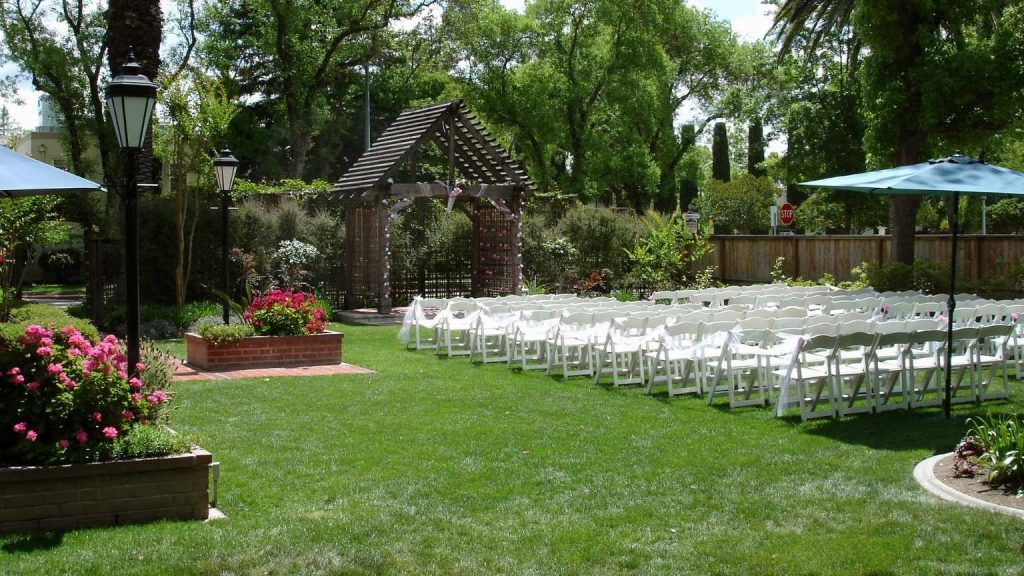
Cuando pensáis en vuestra boda, ¿qué es lo que más os ilusiona? Para muchas parejas, el momento más esperado no es el banquete, ni la música, ni el vestido. Es la ceremonia.
Ese instante donde os miráis, os decís lo que sentís y compartís con quienes más queréis una historia que es solo vuestra.
Sin embargo, en muchos casos, la ceremonia acaba pareciendo un trámite, llena de frases genéricas, silencios incómodos o rituales que no tienen nada que ver con vosotros. Y no tiene por qué ser así.
Después de más de 15 años escribiendo y celebrando ceremonias simbólicas, puedo deciros que crear una ceremonia personalizada no solo es posible, es transformador. Hoy quiero contaros cómo hacerlo desde el corazón y con libertad.
1. Olvida el guion tradicional (y comenzad por vuestra historia)
No hay reglas fijas. Una ceremonia simbólica no necesita frases impostadas ni estructuras rígidas. Lo que necesita es una historia verdadera, cargada de sentimientos reales.
Yo siempre empiezo escuchándoos. Quiero saber cómo os conocisteis, qué os hace reír, qué habéis superado juntos, cómo os miráis cuando habláis del otro. De ahí nace el guion: no desde el protocolo, sino desde como sois en el día a día, y lo que sentís al compartirlo juntos.
Tomad tiempo para contar vuestra historia, este paso es el más importante de cara a vuestra celebración, contad con mi experiencia para oficiar vuestra ceremonia. Cuanto más sincera sea esa conversación, más auténtico será el resultado.
Si sois más discretos, me podéis escribir por separado -desde la tranquilidad de casa o desde unas vacaciones- qué significa el otro en vuestra vida, cuáles son sus valores, qué admiráis en él/ella, momentos de vuestra historia, etc. Muchas parejas me dicen, a posteriori, que disfrutaron mucho dándose ese espacio para valorar, acariciar esa conciencia de su amor por el otro, en medio de todo el lío de organizar la boda.
2. Elegid el tono que queréis transmitir
¿Queréis que vuestra ceremonia sea íntima y emotiva? ¿Divertida? ¿Espiritual? ¿Una mezcla? Todo es válido si es algo propio de vosotros. Nunca recomiendo lecturas, rituales o actitudes que no os resuenen.
Hay ceremonias donde reímos con anécdotas inesperadas, otras donde lloramos todos con votos improvisados, incluso he celebrado bodas rockeras, celtas, con cacao, con fuego, con poesía, en tres idiomas, etcétera. Todas tenían sentido porque eran coherentes con quienes las protagonizaban, y porque les dediqué tiempo para que fuesen armónicas con el entorno, los horarios, los invitados, y lo que la pareja deseaba trasmitir.
No os guieis por lo que se espera de una boda. Guiaros por lo que vosotros esperáis de ese momento. Si aún no os sentís seguros con lo que queréis, recibid mi asesoría y os ayudaré a encontrar vuestro estilo.
3. Pensad en los rituales como herramientas, no como adornos
Los rituales no están para rellenar minutos ni para hacer bonito (aunque siempre recomiendo añadir los que realmente os gusten también por las imágenes que tendréis después, no solo de dos enamorados de pie o sentados, sino haciendo movimientos, siendo parte). Están para dar forma simbólica a lo que queréis decir.
Un lazo celta, una ceremonia de arena, un brindis con cacao ceremonial, una caminata descalzos, cada gesto tiene valor si lo elegís con sentido. Y es ahí donde os acompaño: para encontrar juntos el lenguaje que mejor hable de vuestro amor.
Escoged uno o dos rituales como máximo. Menos es más cuando hay intención.
4. Aseguraos de que os sentís cómodos con quien os guiará
La persona que oficie vuestra ceremonia tiene un papel fundamental: no solo pone voz, pone alma.
Necesitáis a alguien que sepa escucharos, que entienda vuestro ritmo, que no improvise un discurso genérico. Alguien que os acompañe en el proceso y haga que os sintáis tranquilos, representados y conectados.
Buscad a alguien con quien sintáis afinidad personal, no solo profesional. Vais a compartir emociones profundas. Os invito a conocerme, me adapto con facilidad a vuestras ideas y consigo transmitir emociones a partir de vuestra historia. Pero también investigo, estudio, leo, me nutro de otras experiencias y vivencias para conseguirlo.
5. Dad espacio para que la emoción suceda
Una ceremonia personalizada no es un espectáculo, es una vivencia. Por eso, al diseñarla juntos, siempre propongo dejar márgenes para que la emoción aparezca sin forzarla:
- Dejar pausas para respirar.
- Incluir música que os toque.
- Elegir palabras que suenen como habláis en la vida real.
- Permitir que haya improvisación si nace del momento.
6. Personalizar no es complicar, es conectar
Mucha gente piensa que crear una ceremonia desde cero es complejo. Yo os aseguro que cuando se hace con cariño, respeto y una buena guía, es una de las partes más bonitas del proceso.
Diseñar una ceremonia a vuestra medida no es añadir más tareas a la lista. Es dar sentido a todo lo demás.
Una ceremonia escrita desde el alma
Crear una ceremonia que os represente es un viaje. Y yo estaré encantada de recorrerlo con vosotros. Os escucharé, os acompañaré y escribiré cada línea pensando en lo que sois, no en lo que se espera.
How to create a ceremony that speaks about you (and not just follow a protocol)
When you imagine your wedding, what excites you the most? For many couples, the most anticipated moment isn’t the banquet, the music, or even the dress. It’s the ceremony.
That sacred moment when you look into each other’s eyes, express what you feel, and share your unique story with the people you love most.
And yet, in many cases, the ceremony ends up feeling like a formality—filled with generic phrases, awkward silences, or rituals that have nothing to do with you. But it doesn’t have to be that way.
After more than 15 years writing and officiating symbolic ceremonies, I can tell you this: creating a personalised ceremony is not only possible—it’s transfo
1. Forget the traditional script (and start with your story)
There are no fixed rules. A symbolic ceremony doesn’t need borrowed words or rigid structures. What it needs is a true story, full of real emotion.
I always begin by listening. I want to know how you met, what makes you laugh, what you’ve overcome together, how your eyes light up when you talk about each other. That’s where the script is born—not from protocol, but from who you are in everyday life and what you feel when you’re together.
Take time to share your story. That’s the most important step for your ceremony to feel genuine. Count on my experience to guide you. The more honest that conversation is, the more authentic the result will be.
If you’re more private, feel free to write to me separately—from the comfort of your home or even on holiday. Share what the other person means to you, what you admire in them, their values, the unforgettable moments in your journey. Many couples later tell me they truly enjoyed giving themselves that space—to pause and embrace the depth of their love, right in the middle of the wedding whirlwind.
2. Choose the tone you want to share
Do you dream of a ceremony that’s intimate and emotional? Playful? Spiritual? A little of everything? Anything is valid, as long as it feels true to you. I never recommend readings, rituals, or elements that don’t resonate with your essence.
Some ceremonies bring laughter with unexpected stories; others move everyone to tears with spontaneous vows. I’ve celebrated rock weddings, Celtic ones, cacao rituals, fire circles, poetic readings, trilingual ceremonies… each one made perfect sense because it was in harmony with the couple. Because I took the time to ensure it flowed beautifully with the setting, the schedule, the guests, and, most importantly, what the couple truly wanted to express.
Don’t follow what’s expected of a wedding. Follow what you want from that moment. And if you’re unsure, I’m here to guide you. Let’s find your tone together.
3. See rituals as tools, not decorations
Rituals aren’t there to fill time or just look pretty (although I always recommend including ones you genuinely love—both for their meaning and the beautiful imagery they create). They exist to give symbolic form to what you wish to express.
A Celtic handfasting, a sand ceremony, a ceremonial wine or cacao toast, walking barefoot—each gesture holds power if it’s chosen with intention. That’s where I come in: to help you find the language that best expresses your love.
Choose one or two rituals at most. With meaning, less is more.
4. Make sure you feel comfortable with who will guide you
The person who officiates your ceremony doesn’t just lend their voice—they lend their soul. You need someone who truly listens, who understands your rhythm, who doesn’t deliver a generic speech. Someone who walks beside you in the process, and makes you feel calm, represented, and connected.
Find someone you feel a personal connection with — not just a professional one. You’ll be sharing deep emotions. I invite you to get to know me. I adapt easily to your ideas and know how to bring emotion to life through your story. But I also research, study, read, and draw from many sources to ensure your ceremony is unique and heartfelt.
5. Leave space for the emotion to happen
A personalized ceremony is not a performance — it’s an experience.
That’s why, when we design it together, I always suggest leaving room for emotion to emerge naturally.
- Pause to breathe.
- Include music that moves you.
- Words that sound like how you.
- Space for spontaneous moments, if they arise.
6. Personalizing isn’t complicating — it’s connecting
Many people think that creating a ceremony from scratch is overwhelming. But I assure you, when it’s done with love, care, and the right guidance, it becomes one of the most beautiful parts of the entire process.
Designing a ceremony that reflects you is not just one more task—it’s the part that gives meaning to everything else.
A ceremony written from the soul
Creating a ceremony that represents you is a journey. And I would be honoured to take it with you. I’ll listen, guide you, and write every line with your essence in mind—not with what others expect, but with who you truly are.