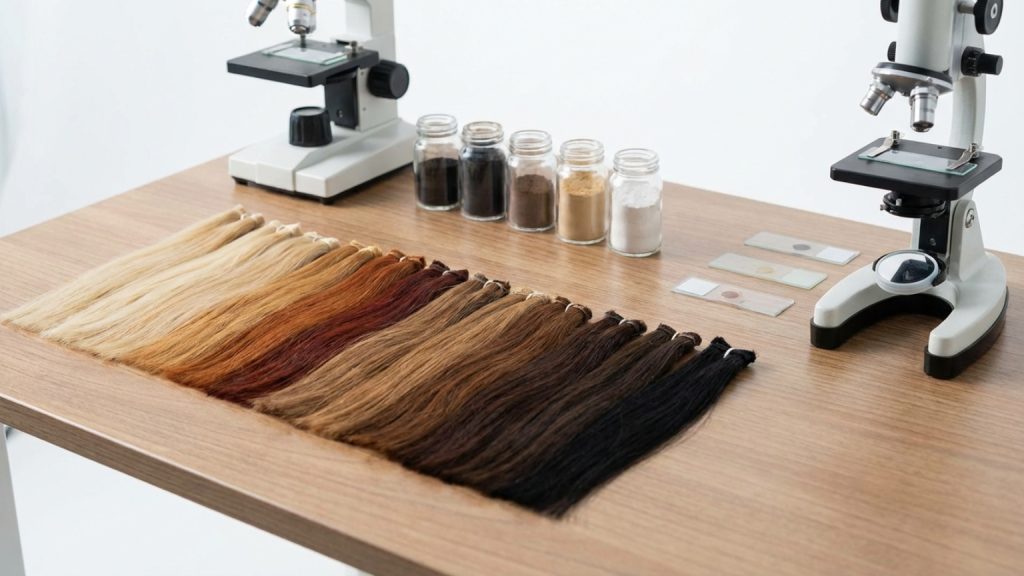
Are you considering a change to your hair, but feel unsure about the process? Many people wonder how hair color truly works and what options exist. Understanding the basics of hair color can help you make informed decisions. We want to guide you through the fundamentals of coloring your hair.
1. What is hair color: a basic definition?
Hair color is the natural shade of your hair. This color comes from pigments inside each hair strand. These pigments create the unique look of your hair, from light blonde to dark black. For example, some people have naturally vibrant red hair, while others have deep brown.
- Melanin: This is the main pigment that determines your hair color. It is produced by specialized cells called melanocytes within the hair follicles.
- Eumelanin: This type of melanin creates black and brown hair shades. Higher amounts of eumelanin result in darker hair colors.
- Pheomelanin: This melanin gives hair red and yellow tones. It is present in all hair colors but is more noticeable in red and blonde hair.
- Hair Follicles: These small organs in your skin produce hair and determine its color. They contain the cells that make melanin.
- Genetics: Your inherited genes control the type and amount of melanin your body produces. This is why hair color often runs in families.
Understanding these basic components helps explain the wide range of natural hair colors we see. This natural hue can also be changed with various coloring treatments.
2. Why does hair color change over time?
- Aging: As people get older, the hair follicles produce less melanin. This decrease in pigment leads to gray or white hair. For example, many people notice their first gray hairs appearing in their 30s or 40s.
- Sun Exposure: Ultraviolet (UV) radiation from the sun can break down melanin in the hair shaft. This often results in a natural lightening effect, making hair appear blonder or with lighter streaks. For instance, hair often looks «sun-kissed» after a summer spent outdoors.
- Chemical Treatments: Hair dyes, perms, and relaxers use chemicals that alter the hair’s structure and pigment. Over time, dyed hair can fade, become brassy, or change tone as the artificial color washes out or reacts with environmental elements.
- Hormonal Changes: Fluctuations in hormones can sometimes influence hair color. Events like pregnancy, menopause, or thyroid imbalances may cause temporary changes in hair shade or texture. Some pregnant individuals report their hair temporarily becoming darker or lighter.
- Medication and Health Conditions: Certain medications or health issues can affect the hair’s pigment production. For example, some chemotherapy drugs can lead to temporary hair color changes or even a different color when hair regrows.
3. How does hair color work on your hair?
Hair color works by altering the pigment inside or on the surface of your hair strands. Different types of hair color use various methods to achieve this change. Understanding these methods helps you choose the right product for your desired result. It also explains why some colors are temporary and others are long-lasting.
- Temporary Hair Color: This type of color coats the outside of the hair shaft. It does not penetrate the cuticle, so it washes out easily with shampoo.
- Semi-Permanent Hair Color: These dyes contain smaller molecules that partially penetrate the outer layer of the hair. They fade after several washes because they do not use a developer or ammonia.
- Demi-Permanent Hair Color: This color uses a low-volume developer, but it does not contain ammonia. It deposits color pigments into the outer layers of the hair, blending natural shades or adding richness.
- Permanent Hair Color: Permanent dyes mix with a developer, often containing ammonia and hydrogen peroxide. Ammonia opens the hair cuticle, allowing new color molecules to enter the cortex and create a lasting change. For example, if you want to change your dark hair to a light blonde, this process is necessary.
- Hair Lightening (Bleaching): This process removes the natural melanin pigments from your hair. Bleaching agents break down these melanin molecules, making the hair appear lighter.
Each coloring method affects your hair differently, from a surface coating to deep internal changes. Choosing the right hair color depends on your desired outcome and how long you want the color to last.
4. What steps should you take for choosing a hair color?
Choosing the right hair color involves more than just picking a shade you like. You should consider several important factors to ensure the best result. Making an informed decision helps you achieve a look that truly suits you. This careful process can help avoid disappointment and costly corrections.
- Consider your skin tone: Your skin tone significantly impacts how a hair color appears. Warm skin tones often suit warm hair colors, while cool tones look better with cooler shades. For example, a person with cool undertones may find an ash blonde or platinum more flattering than a golden blonde.
- Think about your natural hair color: Your current hair color forms the base for any new shade. Moving drastically from very dark to very light often requires multiple salon visits. Working with your natural base usually leads to more subtle and easier-to-maintain results.
- Evaluate your hair’s condition: Healthy hair absorbs color evenly and looks vibrant. Damaged or porous hair can lead to uneven color or quick fading. It is wise to improve your hair’s health before a major color change.
- Decide on your desired maintenance level: Some colors, especially those close to your natural shade, require less upkeep. High-contrast colors or bright fashion shades need more frequent touch-ups. Consider how much time and effort you want to put into maintaining your new color.
- Seek professional advice: A hair stylist offers expert guidance based on their knowledge and experience. They can assess your hair, skin tone, and lifestyle to suggest the best options. Discussing your ideas with a professional helps ensure a successful outcome.
Taking these steps helps you choose a hair color that enhances your features. This careful approach leads to a satisfying and beautiful result.