Buying a home often brings excitement, but also significant concerns about hidden issues. You might wonder about the true condition of a property, fearing unexpected repair costs after moving in. Understanding a property’s state before purchase is crucial for making a confident decision and protecting your investment.
1. What is the definition of a property inspection and what does it include?
A property inspection is a visual examination of a home’s physical structure and systems. A certified inspector does this review to identify potential problems before you buy. This process helps you understand the true condition of the property. It provides crucial information for making an informed purchase decision.
- Structural Elements: This part of the inspection checks the foundation, roof, and walls for integrity. It looks for cracks, water damage, or signs of settling that could indicate major structural issues that require costly repairs.
- Major Systems: Inspectors examine the electrical, plumbing, and heating, ventilation, and air conditioning (HVAC) systems. They make sure these critical components are working safely and efficiently to avoid future breakdowns or hazards.
- Exterior Components: This includes checking the property’s grading, drainage, siding, and windows. Proper exterior conditions prevent water intrusion, which can lead to mold and significant damage over time.
- Interior Features: The inspection covers interior elements like floors, ceilings, doors, and windows, checking their condition. It also checks built-in appliances for proper function to make sure they work properly.
- Safety Concerns: Inspectors look for potential safety hazards such as faulty wiring, gas leaks, or signs of pest infestation. Addressing these issues protects future occupants and prevents health risks.
Understanding the inspection report allows you to negotiate repairs or adjust your offer. It protects you from unexpected costs after the purchase.
2. Why is the importance of a property inspection crucial for your investment?
A property inspection is a critical step when you buy a home. It gives you a detailed look at the property’s true condition. This process helps uncover potential problems that are not obvious during a casual visit. Investing in an inspection helps protect your financial future.
- Identify hidden defects: An inspection can reveal issues not visible to the untrained eye. For example, it might find a hidden leak behind a wall or faulty electrical wiring that needs repair.
- Negotiation power: The findings from an inspection give you a strong position to negotiate. If the report shows a damaged roof, you can ask the seller for repairs or a lower price.
- Budgeting for future costs: You can understand potential future expenses before you commit to buying. This helps you plan for major replacements, such as an old HVAC system or a worn-out water heater.
- Safety concerns: An inspection detects problems that could pose risks to residents. It might uncover dangerous electrical hazards or structural weaknesses that need immediate attention.
- Peace of mind: You can make a purchase decision with full confidence and knowledge. Knowing the real condition of your potential home offers significant reassurance.
Therefore, a property inspection is not just a formality; it is an essential safeguard. It empowers you to make a smart, informed investment decision.
3. How is the process of a property inspection carried out?
A property inspection involves a systematic review of a home’s physical condition. A qualified and independent inspector performs this detailed assessment.
The goal is to identify any existing or potential problems before you buy the property. For example, an inspection might uncover a leaky roof or faulty wiring that was not obvious during a casual viewing.
- Scheduling the inspection: You arrange for a certified property inspector to visit the home. This step typically occurs after your offer is accepted but before the final closing.
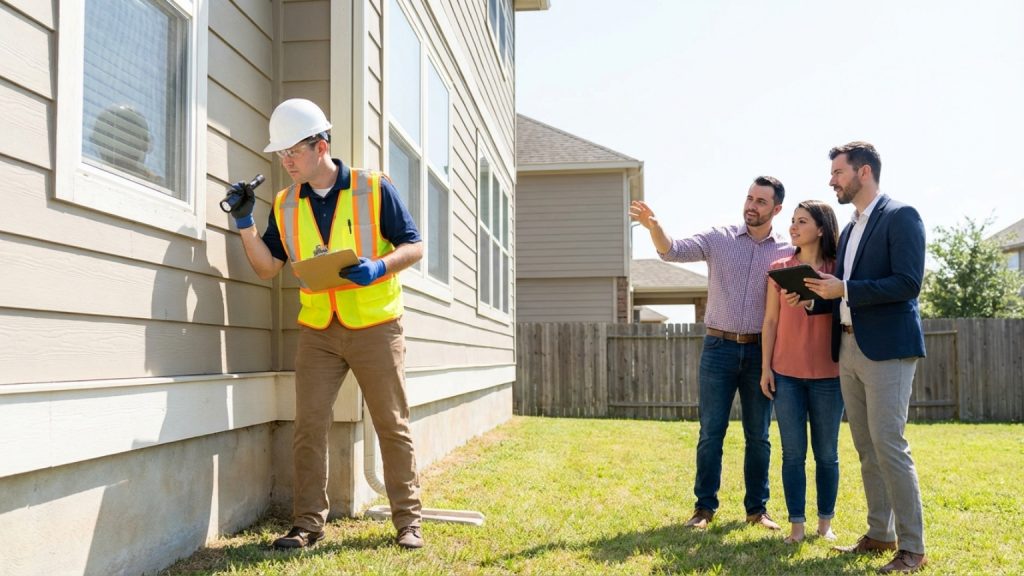
- On-site assessment: The inspector thoroughly examines the property’s structure, systems, and components. They check areas like the roof, foundation, electrical panels, and plumbing fixtures.
- Detailed report generation: After the physical inspection, the inspector creates a comprehensive written report. This document details all findings, including any deficiencies, safety concerns, or necessary repairs.
- Reviewing the findings: You will receive and carefully review this inspection report. Your real estate agent can help you understand the implications of any significant issues found.
- Negotiation and decision-making: Based on the report, you can negotiate with the seller for repairs or a price reduction. If the problems are too extensive, you might decide to withdraw your offer.
This organized process gives you a clear understanding of the property’s condition. It helps you make an informed purchase decision and protects your investment.
4. What are the next steps after receiving a property inspection report?
After receiving a property inspection report, you have important information about the home’s condition. This report helps you understand any potential issues before you buy the property. Taking the right next steps ensures you make an informed decision about your purchase.
- Review the report carefully: Read through all details and notes from the inspector. Pay attention to both major and minor findings in the document.
- Seek professional estimates: If the report highlights issues, get quotes from qualified contractors for the repairs. For example, if the report notes a faulty water heater, you would ask a plumber for an estimate to fix or replace it. This helps you understand the true cost of necessary repairs.
- Negotiate with the seller: Use the inspection findings to discuss price adjustments or request that the seller makes repairs. This negotiation protects your financial interest as a buyer.
- Consider a re-inspection: If the seller agrees to make repairs, arrange a follow-up inspection after the work is done. This ensures all agreed-upon work was completed correctly and safely.
- Make an informed decision: With all information and negotiations complete, decide if you want to proceed with the purchase. This final step is crucial for your peace of mind and satisfaction.
These steps are vital for securing a good investment and avoiding future surprises. A thorough approach after an inspection helps you buy with confidence.