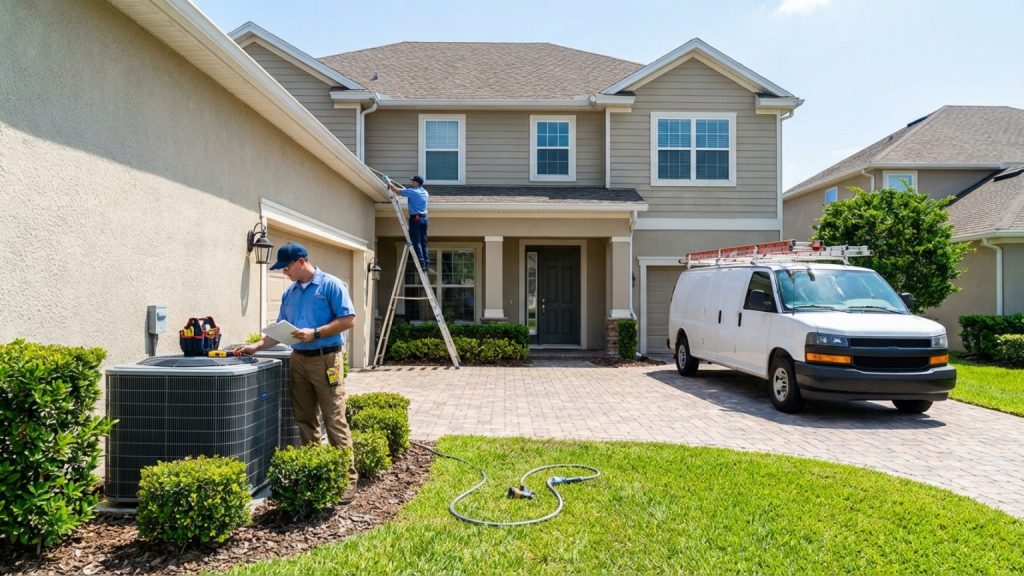
Maintaining a property can feel overwhelming, leading to unexpected issues and costs. You might worry about the long-term value of your asset or simply struggle to keep up with necessary tasks. Understanding property maintenance is key to preventing these problems.
1. What is the scope of property maintenance for your asset?
Property maintenance includes all the actions required to keep your asset in excellent condition. This work protects your investment and ensures the property remains functional, safe, and attractive. It covers a wide range of tasks, from routine checks to addressing unexpected issues as they happen issues they happen.
- Preventive Maintenance: This involves scheduled inspections and regular tasks designed to prevent problems before they start. For example, checking the plumbing system annually can help you find small leaks before they cause extensive water damage.
- Corrective Maintenance: This type of maintenance addresses issues that have already occurred, restoring functionality. If an air conditioning unit stops working, corrective maintenance means repairing or replacing it promptly to ensure tenant comfort.
- Groundskeeping and Exterior Care: This covers maintaining the property’s outdoor areas, including gardens, pools, and exterior structures. Regular tasks include trimming hedges, cleaning the swimming pool, and ensuring pathways are clear and safe.
- Safety and Compliance Checks: Ensuring your property meets all local safety regulations and standards is crucial. This includes routinely testing smoke detectors, checking fire extinguishers, and verifying that all electrical systems are up to code.
- Cosmetic Upkeep and Renovations: These tasks maintain the property’s aesthetic appeal and modern functionality. This might involve repainting walls between tenants or updating fixtures to keep the property fresh and competitive in the rental market.
A complete maintenance plan helps to preserve your property’s value and keep tenants satisfied. It also minimizes the need for expensive emergency repairs and ensures the long-term health of your property.
2. Why is regular property maintenance essential for long-term value?
Regular property maintenance is crucial for protecting your investment and ensuring its appreciation over time. It keeps your property in excellent condition, making it attractive to potential renters or buyers. Consistent care helps prevent minor issues from growing into expensive problems later. This approach directly contributes to maintaining and increasing the asset’s long-term value.
- Preventing Costly Repairs: Addressing small problems quickly avoids major expenses. For example, ignoring a minor roof leak can lead to severe water damage, mold growth, and compromised structural integrity, costing much more than an early repair.
- Maintaining Aesthetic Appeal: A well-kept property always looks better and attracts higher-quality tenants or buyers. Fresh paint, clean exteriors, and functional systems ensure the property remains desirable.
- Ensuring Safety and Compliance: Regular checks help identify and fix potential hazards, keeping residents safe. This also ensures the property meets local safety regulations and standards.
- Extending Property Lifespan: Proper maintenance makes key components like HVAC systems, appliances, and roofing last longer. This reduces the need for frequent, expensive replacements.
- Maximizing Rental Income and Resale Value: Properties that are regularly maintained can command higher rental rates and sell for more. Buyers and renters value a property free from visible damage or neglected issues.
Therefore, consistent property maintenance is not just an expense; it is a vital investment. It ensures your property remains valuable, safe, and profitable for many years.
3. How to identify and address common property maintenance needs?
Identifying property maintenance needs early helps prevent larger, more expensive problems. Regular checks are essential to keep your property in good condition. You can address many common issues early with a clear strategy. This approach protects your investment and ensures tenant satisfaction.
- Routine Visual Inspections: We recommend scheduled visual inspections of your property. These checks help spot small issues like peeling paint, minor cracks, or early signs of water stains before they worsen.
- Plumbing System Checks: Look for drips under sinks or toilets and listen for running water when no fixtures are in use. Addressing a small leak quickly can prevent significant water damage and mold growth within your property.
- Electrical System Review: Test all outlets and light switches periodically for proper function. Flickering lights or warm outlets can indicate underlying problems, so always consult a qualified electrician for repairs.
- Exterior and Roof Care: Regularly clear gutters and check the roof for missing tiles or signs of wear. Proper exterior maintenance prevents water intrusion, protects the building structure, and maintains your property’s curb appeal.
- Appliance Maintenance: Clean filters in air conditioning units and check large appliances like washing machines for unusual noises. Regular care extends the life of your appliances and avoids unexpected breakdowns for tenants.
Staying vigilant with property maintenance saves money and preserves your property’s value. We can help you manage these tasks effectively, giving you peace of mind.
4. What are the actionable steps for successful property maintenance?
Successful property maintenance involves a series of deliberate steps. These actions help ensure your property remains in excellent condition. An early approach prevents small issues from becoming larger, more expensive problems. This strategy also protects your investment value over time.
- Regular Inspections: Consistent checks help identify problems early, preventing them from escalating. For example, inspecting the roof each autumn can reveal loose tiles or blocked drains before a storm causes a major leak inside your property.
- Preventative Maintenance Schedule: Create and follow a routine for essential tasks throughout the year. Cleaning gutters yearly prevents water damage to foundations, and regularly changing HVAC filters improves air quality and system efficiency.
- Prompt Repairs: Address any identified issues quickly to minimize further damage and costs. Fixing a dripping faucet immediately saves water, prevents potential cabinet damage, and avoids more extensive plumbing issues later.
- Detailed Record Keeping: Maintain a clear log of all maintenance activities, repairs, and associated costs. This includes dates, details of work done, and warranty information, which is useful for future planning, budgeting, or when selling the property.
- Professional Assistance: Recognize when a task requires the skills of a qualified professional. For instance, complex electrical repairs, major plumbing overhauls, or structural assessments demand expert knowledge for safety and effective solutions.
Following these steps ensures your property stays safe, functional, and appealing. Consistent maintenance is key to protecting your asset and enjoying long-term peace of mind.